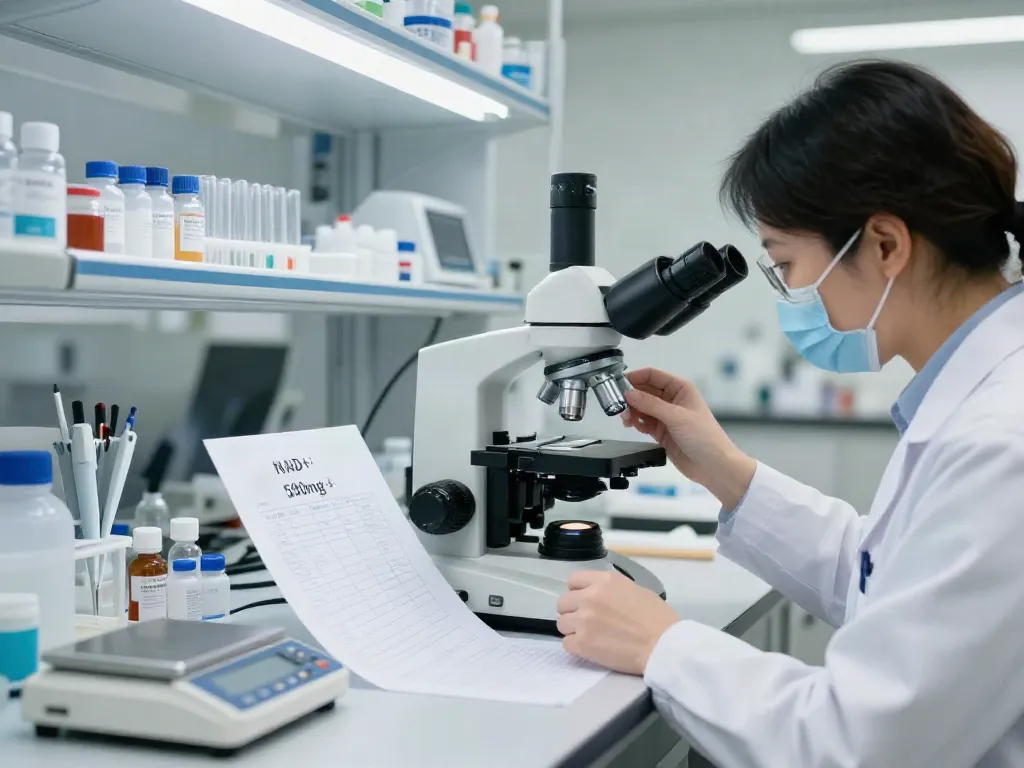
Understanding NAD+ Peptide: A Scientific Overview
NAD+ (Nicotinamide Adenine Dinucleotide) is a coenzyme that has garnered significant attention within the scientific community, primarily due to its critical functions in cellular metabolism and energy production. This molecule is essential for various biochemical reactions in every living cell, effectively regulating energy levels and promoting cellular health. As research progresses, the relevance of NAD+ peptides is becoming increasingly pronounced, particularly within the realms of longevity, bioenergetics, and regenerative medicine. When exploring options, nad+ peptide provides comprehensive insights into these advancements.
What is NAD+ Peptide and Its Significance?
NAD+ peptides refer to formulations that incorporate the NAD+ molecule, enhancing its bioavailability and effectiveness in research. These peptides play a pivotal role in various biological processes, including mitochondrial function, oxidation-reduction reactions, and cellular signaling pathways. The significance of NAD+ cannot be overstated, as it is intimately involved in energy metabolism and is critical for the repair of DNA, which is vital in combating the effects of aging and chronic diseases.
The Role of NAD+ in Cellular Metabolism
In cellular metabolism, NAD+ acts as a crucial cofactor for dehydrogenase enzymes, which facilitate the conversion of substrates into energy-rich molecules like ATP (adenosine triphosphate). By participating in redox reactions, NAD+ enables cells to efficiently extract energy from nutrients. This involvement is particularly pronounced in glycolysis, the citric acid cycle, and oxidative phosphorylation, making NAD+ indispensable in cellular bioenergetics.
Key Benefits of NAD+ Peptide in Research
NAD+ peptides offer numerous benefits in laboratory research settings. Among these advantages are:
- Enhanced Mitochondrial Activity: NAD+ is crucial for mitochondrial health, and its peptides can improve ATP production, leading to increased cellular energy.
- Support for DNA Repair Mechanisms: NAD+ plays a role in activating enzymes such as sirtuins, which contribute to DNA repair and cellular longevity.
- Metabolic Regulation: The presence of NAD+ influences metabolic pathways, making it a target for studies aimed at understanding metabolic disorders.
- Potential Longevity Applications: Research suggests that NAD+ levels decline with age; thus, supplementation with NAD+ peptides might help mitigate age-related decline.
Applications of NAD+ Peptide in Laboratory Settings
NAD+ peptides have numerous applications in laboratory research, particularly in studies that focus on cellular metabolism, mitochondrial health, and longevity. Their versatility allows researchers to explore complex biological pathways with greater precision.
NAD+ Peptide in Mitochondrial Research
Mitochondria, known as the powerhouses of the cell, rely heavily on NAD+ for a variety of functions. Research utilizing NAD+ peptides has demonstrated that enhancing NAD+ levels can lead to improved mitochondrial function, increased ATP synthesis, and enhanced cellular resilience against oxidative stress. This area of research is particularly relevant in studies investigating metabolic syndromes and age-related decline.
Utilizing NAD+ in Metabolic Studies
Research has increasingly focused on the role of NAD+ peptides in metabolic studies, particularly concerning energy homeostasis and metabolic disorders like obesity and diabetes. By supplementation with NAD+ peptides, scientists have observed improved glucose tolerance, increased fatty acid oxidation, and altered energy expenditure, which have exciting implications for therapeutic interventions.
Exploring NAD+ Peptide’s Role in Longevity Research
As the quest for effective anti-aging treatments intensifies, the role of NAD+ peptides has emerged as a focal point in longevity research. Studies suggest that boosting NAD+ levels can enhance sirtuin activity, leading to improved cellular repair mechanisms and potential increases in lifespan. Researchers are exploring how these peptides can be integrated into broader anti-aging strategies, presenting a promising frontier in gerontology.
Best Practices for Handling NAD+ Peptide in Labs
To ensure the integrity and efficacy of NAD+ peptides during research, it is critical to implement best practices for handling and storage. These measures not only maintain peptide quality but also ensure reproducibility of research findings.
Storage Guidelines for Optimal Stability
To maximize the stability and effectiveness of NAD+ peptides, proper storage techniques are essential:
- Temperature Control: NAD+ peptides should be stored at -20°C to -80°C to prevent degradation.
- Avoiding Light Exposure: Protect samples from light to prevent photodegradation.
- Use of Protective Containers: Employ opaque containers to further shield peptides from light.
Safety Protocols When Working with NAD+ Peptide
Given that NAD+ peptides are intended strictly for laboratory research and not for human consumption, it's essential to follow stringent safety protocols:
- Personal Protective Equipment (PPE): Lab coats, gloves, and safety goggles should be worn to protect against potential exposure.
- Proper Waste Disposal: Follow local regulations for the disposal of chemical waste.
- Emergency Response Plans: Ensure that safety data sheets (SDS) are readily accessible in the laboratory.
Quality Control Measures in NAD+ Research
Quality control is paramount in research involving NAD+ peptides. Each batch should undergo rigorous testing to ensure purity and efficacy. Techniques such as High-Performance Liquid Chromatography (HPLC) and Mass Spectrometry are instrumental in verifying the mass and authenticity of NAD+ products, ensuring reliability in research outcomes.
Future Trends in NAD+ Peptide Research
The field of NAD+ peptide research continues to evolve, presenting exciting opportunities for scientific exploration and innovation. As understanding deepens, new applications are likely to emerge, influencing various domains of health and wellness.
Emerging Techniques for NAD+ Analysis
As analytical techniques advance, new methodologies for studying NAD+ peptides are being developed. Techniques such as advanced mass spectrometry and novel chromatographic methods are providing deeper insights into the dynamics of NAD+ and its role in cellular functions, allowing for more precise measurements and applications.
Predictions for NAD+ Applications in 2026
Looking ahead, it is anticipated that research on NAD+ peptides will expand significantly. By 2026, researchers may uncover new therapeutic applications targeting chronic diseases, metabolic disorders, and age-related degeneration. The integration of NAD+ peptides into clinical and wellness protocols could revolutionize how we approach health maintenance in aging populations.
Innovative Research Studies Utilizing NAD+
Various innovative studies are currently underway, exploring the potential of NAD+ peptides to enhance physical performance, cognitive function, and overall vitality. These groundbreaking studies may pave the way for new interventions that harness the power of NAD+ to improve health outcomes.
Frequently Asked Questions About NAD+ Peptide
What do NAD+ peptides do for research?
NAD+ peptides are crucial for understanding metabolic processes, cellular energy production, and aging mechanisms. They enable researchers to investigate the intricate pathways through which NAD+ influences cellular function, leading to potential breakthroughs in therapeutic applications.
Are there any known drawbacks of using NAD+?
While NAD+ peptides hold immense potential, it's important to note that they should only be used in laboratory settings. Human studies are limited, and potential side effects of excessive NAD+ have yet to be fully understood. Researchers must exercise caution and adhere to established guidelines when exploring their applications.
How is NAD+ peptide administered in lab settings?
NAD+ peptides are typically administered through injection or infusion in laboratory settings, ensuring accurate dosing and biodistribution. Studies often utilize animal models to evaluate the effects of NAD+ supplementation on various biological functions, including energy metabolism and aging.
What is the importance of Certificate of Analysis for NAD+?
A Certificate of Analysis (CoA) is critical for ensuring the quality and authenticity of NAD+ peptides. It provides essential information regarding the peptide's purity, concentration, and identity, allowing researchers to have full confidence in the compounds they are using in their experiments.
How can NAD+ peptides benefit metabolic research?
NAD+ peptides can significantly enhance metabolic research by providing insights into energy regulation, nutrient metabolism, and the role of NAD+ in disease processes. Their ability to influence metabolic pathways makes them invaluable tools for exploring the mechanisms underlying metabolic disorders.