Understanding the Basics of DIY Gardening
Gardening can be a fulfilling and rewarding hobby, offering not just fresh produce but also a tranquil space to unwind. For beginners, navigating the complexities of planting, nurturing, and harvesting can be daunting. In this guide, we will provide helpful hints that simplify the process, enabling you to cultivate a vibrant garden with confidence. Whether you're aiming for a floral masterpiece or a productive vegetable patch, these tips will help you get started on the right path.
What Are Helpful Hints for Beginners?
Starting your gardening journey can feel overwhelming, but a few essential hints can ease the transition. Firstly, familiarize yourself with your local climate and soil conditions. Understanding the growing environment is crucial for selecting the right plants. Additionally, consider starting with easy-to-grow varieties like tomatoes, radishes, or marigolds. These plants typically require less maintenance and are forgiving of beginner mistakes.
Common Tools Every Gardener Needs
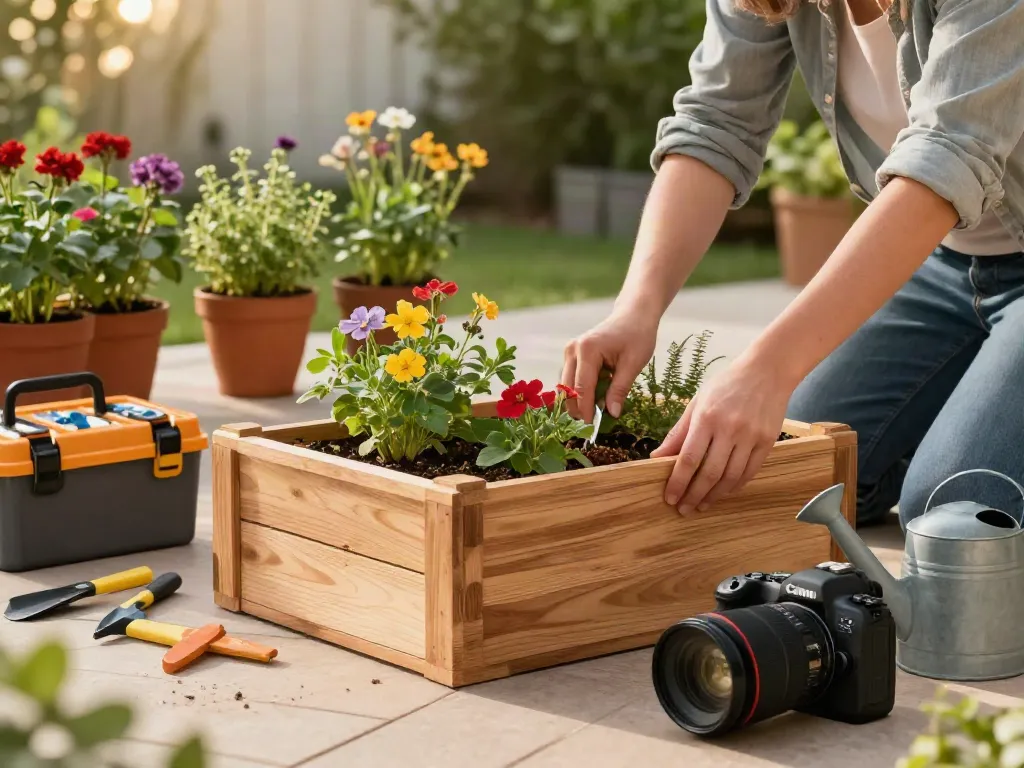
Having the right tools is essential for effective gardening. Here’s a list of must-have tools:
- Hand trowel: Ideal for planting and potting tasks.
- Pruners: Essential for trimming and shaping plants.
- Watering can: Useful for nurturing plants without over-watering.
- Garden fork: Great for aerating soil and turning compost.
Investing in quality tools will not only make gardening easier but also enhance your overall experience.
Essential Gardening Techniques
To ensure your garden thrives, mastering a few key gardening techniques is vital. Watering, soil management, and sustainable practices are at the forefront of effective gardening.
Watering Techniques That Save Time
Efficient watering is crucial, especially during peak summer months. Consider using drip irrigation systems or soaker hoses that deliver water directly to the roots, minimizing evaporation and water waste. Additionally, water in the early morning or late evening to reduce evaporation loss and prevent fungal diseases.
Soil Preparation and Fertilization Tips
Good soil is the foundation of a healthy garden. Conduct a soil test to determine pH levels and nutrient deficiencies. Amend the soil with compost or organic fertilizers to boost fertility. This not only improves plant growth but also enhances soil structure.
How to Create a Sustainable Garden Environment
Adopting sustainable practices in gardening benefits both the environment and your garden’s health. Incorporate native plants that require less water and care, and practice crop rotation to prevent nutrient depletion. Moreover, utilizing organic pest control methods can protect the ecosystem and your plants simultaneously.
Managing Your Garden Effectively
Once your garden is established, effective management is key to maintaining its health and productivity throughout the seasons.
Helpful Hints for Pest Control
Dealing with pests is a common challenge in gardening. Implement companion planting, where you grow plants that naturally deter pests alongside vulnerable crops. For instance, planting marigolds near vegetables can help repel nematodes. Additionally, regular inspections of your plants will allow you to catch infestations early.
Seasonal Maintenance to Keep Your Garden Thriving
Gardens require ongoing care, and seasonal maintenance is critical. In the spring, prepare your garden by cleaning up debris and mulching to suppress weeds. During the summer, focus on watering and weeding regularly. In the fall, clean up spent plants and prepare your garden for winter by planting cover crops or mulching.
Time-Saving Tips for Busy Gardeners
For those with tight schedules, efficient gardening is essential. Consider using raised beds to reduce weeding time and optimize soil drainage. Additionally, incorporating perennial plants means you’ll have to replant less frequently, allowing for more enjoyment and less labor.
Creative DIY Projects for Gardeners
DIY projects can enhance your gardening experience, offering a creative outlet while improving functionality in your garden.
Unique Planter Ideas Using Recycled Materials
Repurposing materials into planters is not only eco-friendly but also cost-effective. Old wooden pallets can be transformed into vertical planters, while tin cans can serve as charming herb pots. These projects allow you to personalize your garden while promoting sustainability.
Building Garden Structures: Trellises and Raised Beds
Creating structures like trellises supports climbing plants and saves space. Raised beds improve drainage and soil quality, making them ideal for many gardeners. Building these structures can be a straightforward weekend project that significantly enhances your garden's aesthetics and productivity.
Incorporating Art into Your Garden Space
Art can add a unique touch to any garden. Consider installing sculptures, gazing balls, or decorative birdhouses to create focal points. Wind chimes or garden stakes can add sound and movement, bringing your garden to life.
Future Trends in Gardening
The gardening world is constantly evolving, and being aware of upcoming trends can help you stay ahead.
Embracing Technology with Smart Gardening Tools
Smart technology is revolutionizing gardening. Tools equipped with sensors can monitor soil moisture and nutrients, sending notifications to your smartphone when intervention is necessary. These innovations simplify garden management and help conserve water and resources.
Vertical Gardening: Maximizing Small Spaces
As urban spaces become more crowded, vertical gardening has gained popularity. Utilizing wall planters and vertical hydroponics allows you to grow a variety of plants in limited space while adding a touch of greenery to your home.
Predictions for Gardening in Urban Environments by 2026
Looking ahead, urban gardening will likely continue to become more prominent, driven by an increase in community gardens and rooftop farming initiatives. These spaces not only provide fresh produce but also foster community engagement and environmental consciousness.
FAQs about Gardening and Helpful Hints
What are some helpful hints for beginner gardeners?
Start with easy plants, learn about your soil, and invest in good tools.
How can I choose the right plants for my climate?
Research plants suited to your USDA hardiness zone for the best results.
What tools do I need for a successful garden?
A hand trowel, pruners, a watering can, and a garden fork are essential tools.
How do I effectively manage pests in my garden?
Use companion planting and natural pest deterrents, and inspect your plants regularly.
What are innovative gardening trends emerging in 2026?
Expect to see more vertical gardens and the use of smart technology in home gardening.