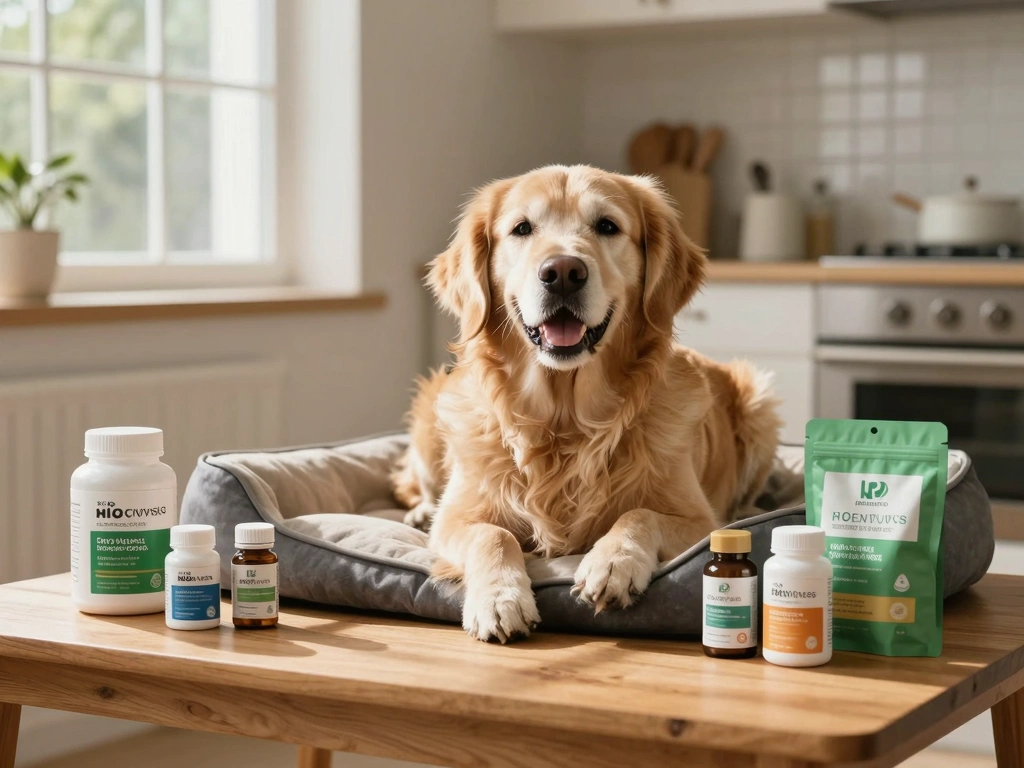
Understanding Dog Anxiety and Stress
Dog anxiety is a common issue that can arise from a variety of environmental and emotional triggers. Many pet owners may notice their furry friends behaving unusually during events such as thunderstorms, fireworks, or even new visitor arrivals at home. Just like humans, dogs can experience stress which may manifest as destructive behavior, incessant barking, or even withdrawal. To mitigate these issues, pet owners often seek solutions, including Calming Dog Treats, designed to provide nutritional support for dogs managing anxiety.
What Triggers Stress in Dogs?
Unfortunately, dogs cannot verbally express their feelings, and this can lead to misinterpretations of their behavior. Common stressors include:
- Changes in Routine: Dogs thrive on routine. Any disruption, such as a sudden move or a change in the owner’s schedule, can lead to stress.
- Loud Noises: Fireworks, thunderstorms, and sirens can frighten dogs, resulting in anxiety-related responses.
- Separation Anxiety: Many dogs feel anxious when left alone, which can lead to destructive behavior.
- New Experiences: Introducing a dog to new environments, people, or other animals can trigger anxiety.
Common Signs of Dog Anxiety
Recognizing the signs of anxiety is crucial for effective management. Some indicators include:
- Panting or pacing
- Whining or barking excessively
- Destructive behaviors, like chewing furniture
- Hiding or refusing to eat
Why Treats Are Not Sedatives
While calming treats can significantly assist in alleviating anxiety, it’s essential to understand that they are not sedatives. Instead, they provide nutritional support to help regulate stress levels. The goal is to create an environment where the dog can feel relaxed yet alert, allowing for a positive interaction with their surroundings.
How HighV Calm & Relax Dog Treats Work
HighV Calm & Relax Dog Treats are crafted with actively soothing ingredients that work synergistically to promote relaxation. Each chew contains a balanced formula of natural ingredients targeting various aspects of dog anxiety. This multi-approach acknowledges that stress can stem from different sources, and a singular remedy may not suffice. These treats can help improve your dog's overall emotional balance when included in a daily feeding routine.
The Role of Active Ingredients
The active ingredients in HighV Calm & Relax Dog Treats include:
- Valerian Root (30mg): Known for its calming properties, it helps to ease anxiety and promotes relaxation.
- Lemon Balm (20mg): A member of the mint family, it is traditionally used to soothe nervous tension.
- L-Theanine (20mg): An amino acid that fosters relaxation without sedation, essential for maintaining an alert state.
- L-Tryptophan (20mg): This essential amino acid is a precursor to serotonin, beneficial for mood regulation.
- Magnesium Citrate (10mg): Supports normal nerve and muscle function, often depleted in stressed animals.
- Ashwagandha Root (10mg): An adaptogen that helps build resilience against chronic stress.
Daily vs. Event-Specific Feeding
For optimal results, the treats should be incorporated into your dog's daily feeding routine. Allow for two to four weeks for these active ingredients to build up in your dog's system, providing long-lasting support. For immediate stressors, such as thunderstorms or car rides, administer a chew one to two hours prior to the event to give your dog that extra boost of calm.
How Nutritional Support Enhances Calmness
Feeding your dog these calming treats consistently not only helps them cope with immediate stress but also supports their long-term emotional health. This nutritional approach ensures that dogs have what they need to handle daily challenges, leading to a more balanced demeanor overall.
Choosing the Right Calming Treats
When selecting the best product for your dog, consider the severity of their anxiety and personal preferences. Some dogs may do better with softer chews, while others may enjoy crunchy options.
HighV Calm & Relax vs. Other Options
HighV Calm & Relax Dog Treats are formulated with six distinct active ingredients, making them a robust option compared to other treats that often rely on a single ingredient. For example, some brands may use only valerian root, which may not provide comprehensive support for all aspects of anxiety.
Dosage and Feeding Guidelines
For effective use, follow these guidelines:
- For dogs under 10 kg: 1 chew per day
- For dogs between 10-30 kg: 2 chews per day
- For dogs over 30 kg: 3 chews per day
Always consult the product packaging for specific instructions regarding dosing, and adjust according to your dog's weight and needs.
When to Consult Your Veterinarian
If you notice that your dog's anxiety is severe or worsening, it's vital to consult a veterinarian. Stress can be symptomatic of underlying health issues that require professional attention. Additionally, if your dog is on medication or has existing health conditions, a vet’s approval is essential before introducing any new supplements.
Enhancing Your Dog's Routine for Better Results
Calming treats are most effective when integrated into a broader strategy for managing your dog's anxiety.
Complementing Treats with Training
Training is a fundamental pillar in reducing anxiety in dogs. Simple commands and reward-based training can create a structure that helps dogs feel secure.
Creating a Comfortable Environment
Providing a safe space for your dog to retreat to during stressful times can significantly aid in alleviating their anxiety. This could range from a cozy bed in a quiet room to a designated crate for when they need solitude.
Implementing Consistent Daily Routines
Dogs are creatures of habit, and a consistent routine can significantly decrease anxiety levels. Feeding, walks, and playtime should occur at the same time each day to reduce stress associated with unpredictability. Regular exercise also plays a crucial role in improving mood and behavior.
Frequently Asked Questions about Calming Dog Treats
Do calming treats really work on dogs?
Many dog owners report positive changes in their pets’ behavior with consistent use of calming treats, particularly those that incorporate a blend of active ingredients.
How long before a stressful event should I give a treat?
For best results, administer the treats one to two hours before the anticipated stressor to maximize their calming effects.
Are there any side effects to using calming treats?
Generally, calming treats are well-tolerated. However, dogs may experience minor gastrointestinal upset initially as they adjust. Always monitor your dog's reaction and consult your vet if any concerns arise.
Can these treats be used with other supplements?
HighV Calm & Relax treats can be combined with other supplements, including probiotics or immunity-supporting treats, to enhance overall wellness.
How do I know if my dog needs calming treats?
If your dog exhibits signs of anxiety, such as pacing, whining, or destructive behavior during stressful situations, calming treats may be a beneficial addition to their routine.