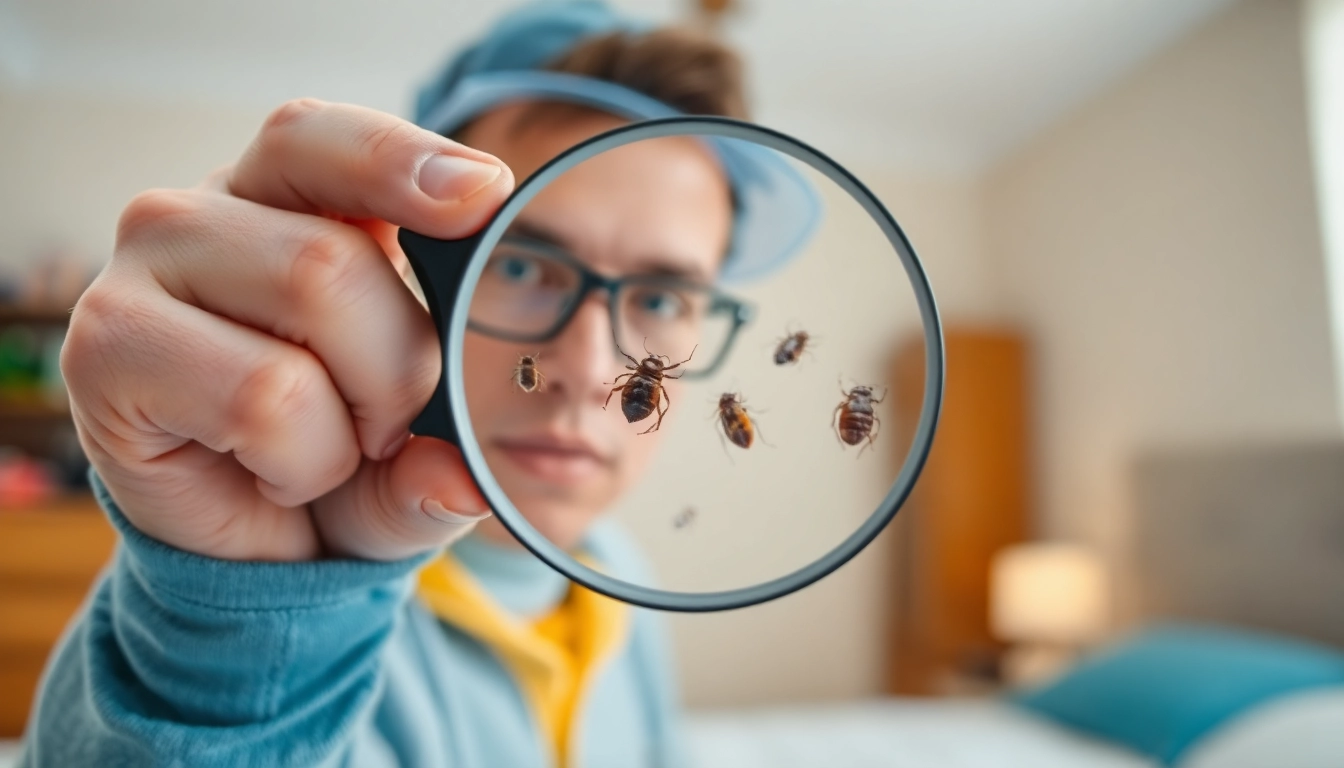
Understanding Bed Bugs and Their Habits
What are Bed Bugs?
Bed bugs are small, parasitic insects scientifically known as Cimex lectularius that primarily feed on human blood. Often elusive and nocturnal, they are reddish-brown and about the size of a small apple seed. These pests are notorious for their ability to hide in intricate crevices, making them challenging to detect and control. Understanding their biology and behavior is crucial for effective bed bug control.
Life Cycle and Behavior
Bed bugs undergo a life cycle consisting of four stages: egg, nymph, juvenile, and adult. Female bed bugs can lay hundreds of eggs in their lifetime, which hatch within a week. Nymphs, the juvenile forms, molt several times before reaching adulthood. They require a blood meal for each stage of growth, which drives their nocturnal feeding behavior. Understanding this life cycle is critical for preventing and managing infestations effectively.
Common Signs of Infestation
Identifying a bed bug infestation can often involve multiple signs, including:
- Itchy bite marks on the skin, usually in a line or cluster.
- Dark spots of bed bug excrement on bedding or furniture.
- Molted skins from nymphs.
- Bed bug eggs, which are tiny and white.
- An unpleasant, musty odor often associated with larger infestations.
Why Bed Bug Control is Essential
Health Risks Associated with Bed Bugs
While bed bugs are not known to transmit diseases, their bites can cause significant health problems. Many people experience allergic reactions leading to intense itching, which can result in secondary skin infections if scratched. Insomnia and anxiety are common among those suffering from an infestation, affecting mental well-being.
Impact on Quality of Life
The presence of bed bugs can severely impact a person's quality of life. Sleep disturbances due to bed bug bites can lead to exhaustion and reduced productivity. Additionally, the stigma associated with having bed bugs can result in social isolation and emotional distress.
Economic Costs of Infestation
The financial implications of a bed bug infestation can be substantial. Costs may include professional extermination services, replacement of infested mattresses and furniture, and potential legal fees in cases of disputes with landlords or hotels. Moreover, the long-term effects on personal reputation and mental health can carry hidden costs over time.
Best Practices for Bed Bug Control
Preventive Measures to Take
Preventing a bed bug infestation requires vigilance and proactive measures. Here are some effective strategies:
- Regularly inspect and clean bedding, carpets, and any potential hiding spots.
- Use bed bug-proof mattress and pillow encasements to prevent entry.
- Avoid bringing second-hand furniture or clothing into your home without thorough inspection.
DIY Control Options
For minor infestations, some DIY methods can be implemented:
- Vacuuming infested areas thoroughly and frequently can help reduce the population.
- Washing and drying infested textiles at high temperatures can kill bed bugs at all life stages.
- Use of diatomaceous earth or certain insecticides specifically labeled for bed bug control can be effective when applied correctly.
When to Call a Professional
In cases of severe infestations or if DIY methods are ineffective, it's crucial to seek professional pest control services. Professionals can conduct thorough inspections, utilize advanced techniques, and employ specialized equipment and treatments that may be beyond general capabilities, ensuring a more effective bed bug control.
Choosing the Right Bed Bug Control Method
Heat Treatments vs. Chemical Treatments
When considering methods for controlling bed bugs, heat treatments and chemical treatments are two common options:
- Heat treatments involve raising the temperature of an entire room to a level that is lethal to bed bugs, usually around 118°F for over 90 minutes.
- Chemical treatments use insecticides to kill bed bugs on contact or through residual effects. It’s important to use EPA-registered products and follow all safety instructions.
Integrated Pest Management Approaches
Integrated Pest Management (IPM) combines multiple strategies for effective control. It emphasizes the importance of sanitation, regular monitoring, and combining various control methods for comprehensive results. IPM not only focuses on eliminating existing infestations but also on preventing future occurrences.
Evaluating Efficacy of Solutions
After implementing any bed bug control method, it is vital to evaluate its effectiveness. This can include regular inspections, monitoring for signs of activity, and assessing the comfort level of residents. If issues persist, reassessing the chosen methods and seeking further professional advice may be necessary.
FAQs on Bed Bug Control
Are bed bugs harmful to my health?
Yes, bed bugs can cause itchy welts and may lead to allergic reactions or insomnia due to discomfort.
How long does it take to exterminate bed bugs?
Control efforts can take several weeks as it often requires multiple treatment sessions to fully eliminate them.
Can I get rid of bed bugs on my own?
Yes, but effective bed bug control often requires a combination of DIY methods and professional services for best results.
What should I do if I suspect a bed bug infestation?
Start by inspecting potential hiding spots, cleaning your bedding, and contacting pest control if necessary for diagnosis.
How can I prevent future infestations?
Regularly clean your home, inspect second-hand items, and use protective mattress covers to minimize risks of new infestations.