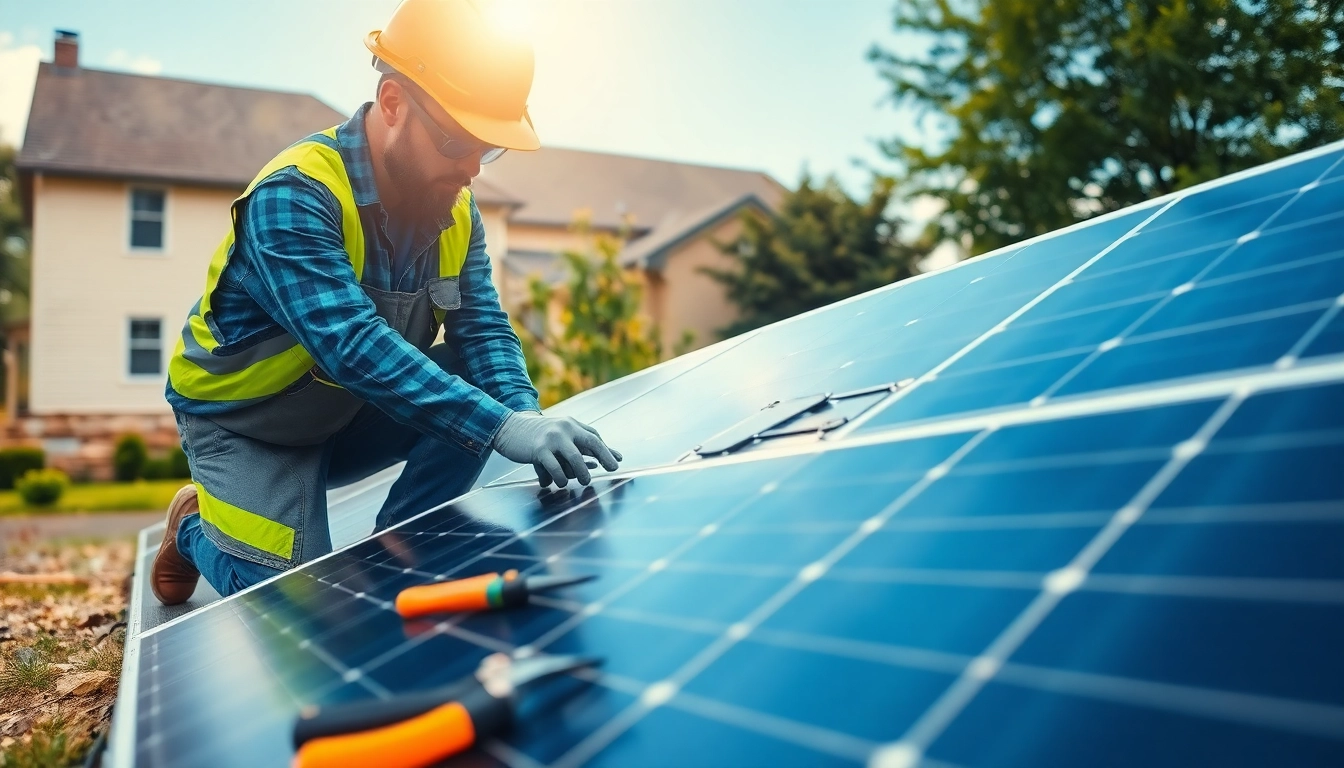
Understanding Solar Panel Repair
The increasing reliance on renewable energy sources has led to a surge in the installation of solar panels in residential and commercial settings. However, like all technologies, solar panels are not immune to issues, necessitating solar panel repair. Understanding the fundamentals of repair can save time and money while optimizing your solar setup.
What is Solar Panel Repair?
Solar panel repair refers to the process of identifying and addressing defects, damages, or performance inefficiencies in solar panels. Techniques involved in this process can range from minor fixes like tightening connections to more elaborate repairs involving replacing defective components. The ultimate goal is to restore the solar panels' functionality, ensuring they operate at their designed efficiency.
Common Issues Requiring Repair
Several common issues necessitate solar panel repair:
- Cracked Panels: Physical damage to the panel surface, often due to hail or debris.
- Electrical Issues: Problems with wiring or inverter failures can disrupt the power output.
- Hot Spots: Localized overheating that can lead to performance loss and physical damage.
- Dirty Panels: Accumulated dirt, dust, or debris can significantly reduce efficiency.
- Electrical Connections: Loose or corroded connectors can impede the flow of electricity.
Addressing these issues promptly can help extend the lifespan of your solar panels and maintain optimal energy production.
Importance of Timely Maintenance
Timely maintenance is critical in mitigating major repairs. Regular inspections and maintenance routines can detect issues early on, minimizing the potential for costly interventions later. It's recommended that solar panels be inspected at least once a year, with more frequent checks in areas prone to extreme weather or pollution. This proactive approach not only protects your investment but also ensures maximum return on energy production.
DIY vs. Professional Solar Panel Repair
The decision between attempting a DIY repair or hiring a professional service is paramount for homeowners. Each approach has its advantages and disadvantages that should be carefully considered.
When to DIY on Solar Panel Repair
A DIY repair can be a practical choice for minor issues that don't require extensive technical knowledge. If you notice dirt accumulation or minor wear and tear, cleaning the panels or checking connections can be easily managed without professional assistance. However, tasks like replacing broken panels or troubleshooting electrical issues should generally be left to trained professionals to avoid safety hazards.
Benefits of Hiring Professionals
Professional repair services bring a wealth of experience and expertise, ensuring repairs are performed to a high standard. Professionals are equipped with specialized tools and knowledge about local codes and regulations, which can be crucial for certain repairs. Additionally, hiring experts can provide peace of mind, as they can guarantee their work and facilitate warranty claims effectively.
Cost Comparisons: DIY vs. Professional
The financial implications of DIY repairs versus hiring professionals can be significant. DIY may save labor costs, but improper repairs can lead to further damage and higher long-term expenses. On average, hiring professionals can range from $150 to $1,500 depending on the repair complexity. Homeowners must weigh potential cost savings with the risks associated with inadequate repairs.
Essential Tools for Solar Panel Repair
Whether you’re considering a DIY approach or preparing for a professional service, knowing the essential tools for solar panel repair is vital. The right tools not only facilitate efficient repairs but also ensure safety during the process.
Must-have Tools for DIY Repairs
For those venturing into DIY repairs, here are some of the fundamental tools you may need:
- Multimeter: Essential for diagnosing electrical issues and checking voltage and current.
- Screwdrivers: Both flathead and Phillips for securing or loosening panel mounts and connections.
- Wrench Set: Useful for bolts and nuts on the solar panel frame.
- Panel Cleaner: A long-handled brush or squeegee for maintaining panel cleanliness.
- Safety Harness: Crucial for safety when working on roofs or elevated surfaces.
Safety Equipment for Solar Panel Repair
Safety should always be a top priority when conducting repairs. Essential safety equipment includes:
- Hard Hats: Protects against falling objects during repairs.
- Gloves: Prevents electrical shock and protects hands from sharp edges.
- Safety Glasses: Shields eyes from debris while working on solar installations.
- Non-slip Shoes: Ensures stability and safety on roofs and ladders.
Investing in Quality Tools for Longevity
Investing in high-quality tools not only ensures safer repairs but also improves efficiency and effectiveness. Quality tools often last longer and perform better, reducing the need for replacement and ultimately saving money in the long run. A well-equipped toolbox can streamline any repair process, whether for minor maintenance or significant repair projects.
Steps to Successful Solar Panel Repair
Organized steps can provide a pathway for successful solar panel repair. Following a methodical approach minimizes the risk of overlooking crucial details.
Identifying Damage and Steps to Fix
The initial step in any repair process is identifying the specific issue. Thorough inspections for signs of physical and electrical damage must be performed. After pinpointing the problem, the following steps can be implemented:
- Document the Damage: Take photographs and notes for your records.
- Check Manufacturer Guidelines: Refer to warranty documents and troubleshoot according to the manuals.
- Repair or Replace: If the repair is minor, proceed with fixing it; otherwise, replace damaged parts.
Effective Methods for Repairing Panels
Effective repair methods vary based on the identified issue:
- Sealing Cracks: Use specialized adhesives for minor cracks or replace the panel entirely for severe damages.
- Electrical Repairs: Reconnect loose wires or replace faulty inverters with care and adherence to safety protocols.
- Cleaning: Gently wash the panels with soap and water using a soft-bristle brush to remove dirt without harming the surface.
Post-Repair Checks for Performance
After repairs are completed, perform several checks to ensure everything works as intended:
- Monitor Energy Output: Use monitoring systems to track energy production and detect any anomalies.
- Visual Inspections: Regularly inspect the panels and connections to confirm no new issues arise.
- Professional Assessment: Schedule a follow-up visit from a professional for a comprehensive evaluation if desired.
Frequently Asked Questions about Solar Panel Repair
What are the signs my solar panel needs repair?
Signs include reduced energy output, visible cracks, discoloration, hot spots, or loose wiring. Regular inspections can help identify these issues early.
How much does solar panel repair typically cost?
Repair costs can vary widely, typically ranging from $150 to $1,500 depending on the issue's complexity and the specific repairs required.
Can I repair solar panels myself?
Minor issues like cleaning or checking connections can often be handled DIY. However, complex repairs should be left to professionals to ensure safety and compliance.
What tools do I need for solar panel maintenance?
You’ll need a multimeter, screwdrivers, wrenches, brushes for cleaning, and safety gear. Quality tools are essential for effective maintenance.
How often should I schedule maintenance for my solar panels?
It’s wise to perform inspections at least once a year, and more frequently after severe weather or significant seasonal changes to ensure efficiency and longevity.