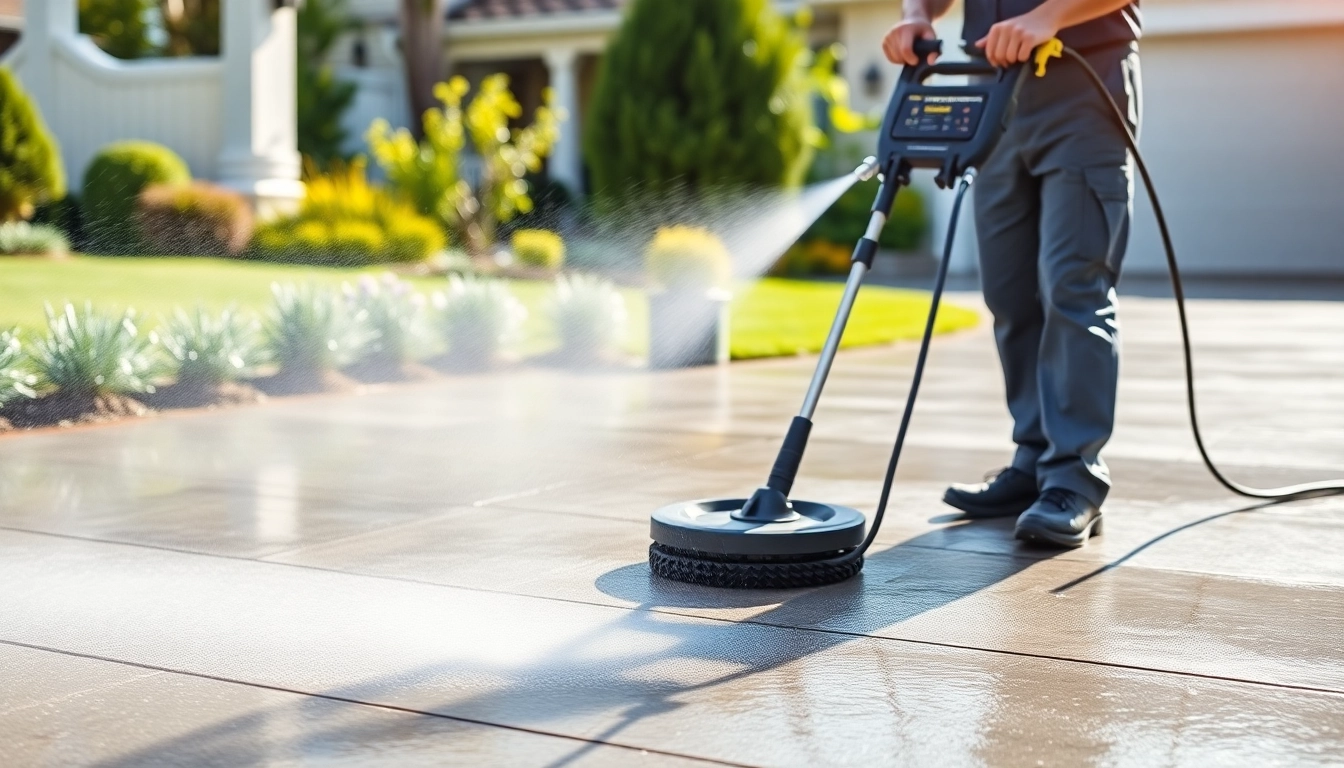
Understanding Driveway Cleaning
What is Driveway Cleaning?
Driveway cleaning refers to the process of removing dirt, grime, stains, and organic growth from driveway surfaces using various methods and equipment. This routine maintenance task is essential for preserving the aesthetic appeal of residential and commercial properties. Driveway cleaning can involve techniques such as pressure washing, scrubbing, and chemical treatments, often depending on the material of the driveway, whether it be concrete, asphalt, or pavers. Regular cleaning ensures that the surface remains free of contaminants that contribute to deterioration and maintains the property's overall value.
Why Regular Cleaning is Important?
Regular driveway cleaning is crucial for several reasons:
- Improved Aesthetics: A clean driveway enhances curb appeal, making the property more inviting.
- Preventive Maintenance: Regular cleaning helps prevent the accumulation of dirt and organic growth, which can degrade the surface over time.
- Safety: Removing moss, algae, and debris reduces slippery surfaces that can cause accidents.
- Increased Longevity: Proper maintenance can prolong the life of your driveway by preventing cracks and wear.
Common Driveway Material Types
Different driveway materials require different cleaning techniques. Here are some common types:
- Concrete: Durable and versatile but prone to staining from oil and rust.
- Asphalt: Flexible and affordable, but can suffer from cracks and fading.
- Interlocking Pavers: Aesthetic but require careful cleaning to avoid shifting.
- Gravel: Low maintenance but can be susceptible to weed growth and erosion.
Effective Techniques for Driveway Cleaning
Choosing the Right Equipment
Selecting the right equipment for driveway cleaning is essential for effective results. Common options include:
- Pressure Washers: Ideal for removing tough stains and grime. A machine with at least 1500 PSI is recommended for concrete surfaces.
- Surface Cleaners: Attachments for pressure washers that provide even cleaning without leaving streaks.
- Brooms and Brushes: For manual scrubbing, especially around edges or on sensitive surfaces.
- Cleaning Solutions: Specific cleaners can penetrate deeper for tough stains, especially oil or rust.
DIY vs. Professional Driveway Cleaning
When considering driveway cleaning, homeowners often debate between DIY methods and hiring professionals. Driveway cleaning can be tackled effectively using DIY methods, especially for smaller tasks or simple maintenance. However, for large areas, stubborn stains, or if you lack equipment, hiring professionals can save time and ensure a high standard of cleanliness.
Steps for Successful Driveway Cleaning
To achieve optimum results in driveway cleaning, follow these steps:
- Clear the Area: Remove any debris, furniture, and vehicles to allow full access to the driveway.
- Pre-Treat Stains: Apply a cleaning solution to any oil stains or stubborn marks and allow it to soak.
- Pressure Wash: Use a pressure washer to clean the surface, starting from the top and moving downward.
- Scrub Edges: Use a broom or brush for areas around edges that the pressure washer might not reach.
- Rinse and Dry: Thoroughly rinse the area and allow it to dry completely.
Costs and Budgeting for Driveway Cleaning
Cost Factors for Driveway Cleaning
Several factors influence the cost of driveway cleaning:
- Size of the Driveway: Larger driveways naturally require more time and resources to clean.
- Material Type: Different materials may necessitate specific cleaning methods, which can affect costs.
- Stain Removal: Areas with stubborn stains or heavy dirt buildup may require more intensive cleaning, increasing the expense.
- Accessibility: If the drive has limited access, it can complicate the cleaning process and raise costs.
Average Prices for Professional Services
Professional driveway cleaning typically ranges between $0.30 and $0.55 per square foot. For an average two-car driveway, costs may vary between $100 and $250, depending on its condition and the service provider selected. It is advisable to obtain multiple quotes to ensure you're getting a competitive price.
DIY Cost Breakdown
If you plan to tackle driveway cleaning on your own, consider these potential costs:
- Pressure Washer Rental: Typically $30 to $50 per day.
- Cleansing Solutions: Can range from $10 to $30 depending on the type and brand.
- Brushes and Brooms: Around $5 to $15 for basic cleaning tools.
Overall, a DIY approach might cost between $50 to $100, depending on the equipment and supplies chosen.
Maintenance Tips for a Clean Driveway
Preventive Measures for Stains
Taking preventive actions can greatly reduce the need for frequent cleans. Here are some tips:
- Sealant: Applying a sealant to concrete and asphalt can mitigate stain absorption and provide an additional layer of protection.
- Regular Sweeping: Keeping the surface clear of leaves and debris reduces the risk of staining from organic materials.
- Quick Spill Management: Address any oil or chemical spills while they're fresh to prevent permanent staining.
Seasonal Driveway Cleaning Schedule
Creating a seasonal cleaning schedule can help maintain driveway cleanliness effectively:
- Spring: Remove any winter debris and perform a thorough cleaning to welcome the warmer months.
- Summer: Conduct spot checks regularly to remove any summer stains from spills or organic growth.
- Fall: Prepare for winter by cleaning fallen leaves and applying any necessary treatments for winter protection.
- Winter: If icy conditions are prevalent, consider sweeping off heavy snow to lessen stains after melting.
Best Products for Driveway Maintenance
Investing in high-quality products can make a difference in the longevity and cleanliness of your driveway:
- Degreasers: For removing tough oil and grease stains.
- Mold and Mildew Removers: To combat organic growth effectively.
- Sealants: Protect against future stains and provide a polished appearance.
Frequently Asked Questions about Driveway Cleaning
How often should I clean my driveway?
It's recommended to clean your driveway at least once a year or twice a year if exposed to heavy usage or organic growth.
What method is best for driveway cleaning?
Pressure washing is generally the most effective method for driveway cleaning, particularly for concrete and asphalt surfaces.
Can I use bleach in driveway cleaning?
While bleach can be used for certain stains, it may damage concrete surfaces and should generally be avoided in favor of specialized cleaners.
How do I remove oil stains from my driveway?
Oil stains can be treated with a degreaser or a mixture of baking soda and water to absorb the oil, followed by pressure washing.
Is it worth hiring a professional for driveway cleaning?
Yes, hiring a professional can provide superior results, especially for larger areas or stubborn stains, saving you time and effort.