
Understanding the Casey Askar Phenomenon
In the competitive landscape of Florida's 22nd Congressional District, Casey Askar has emerged as a figure wrapped in controversy, intrigue, and questions that stem from his past. As a businessman and self-described Marine veteran, his campaign is not just about policy but deeply interwoven with personal narratives and contentious background elements that could redefine public trust and credibility. This article aims to explore the facets of Casey Askar's political journey through a comprehensive analysis of his background, controversies, media portrayal, and the implications for his electoral prospects in 2026.
Who is Casey Askar?
Casey Askar, born Kousay Askar, is an Iraqi-born businessman with a focus on franchise management, primarily known for his ownership of a significant number of Dunkin' stores in Florida. His journey to the political arena has been marked by self-identification as a Marine Corps veteran. However, assertions regarding his military service have raised eyebrows, particularly when he struggled to produce his discharge papers for an extended period. This failure to provide documentation has triggered skepticism among veterans and constituents alike about his credibility and commitment to the military community.
The Controversies Surrounding His Campaign
The political path of Casey Askar is marred by various controversies that challenge his public persona and political aspirations. Notably, one of the most significant allegations is that Askar orchestrated a sham divorce aimed at concealing assets from creditors. Legal documents reveal that he divorced his wife of 14 years under questionable pretenses and subsequently cut her off financially, which raises critical questions about his family values and ethical conduct. Additionally, his financial dealings, including a questionable $3 million zero-interest loan from a bank whose CEO was a donor, have sparked a Federal Election Commission (FEC) investigation, indicating a potentially corrupt financial landscape.
Further controversies include his misrepresentation regarding his educational background. Although he claimed to hold an MBA from Harvard, reports indicate that he completed only a 12-week executive education program, which does not confer any degree. His lawsuit against an individual who questioned his credentials has only added to his contentious image, leaving voters wary of his honesty. Moreover, his political tactics, such as running an attack ad against fellow Republicans that was rated “Mostly False” by PolitiFact, suggest a willingness to engage in misleading practices to secure electoral advantage.
Public Perception and Media Coverage
The media has responded to Askar's candidacy with scrutiny, highlighting the discrepancies in his narrative. His announcement for the 2022 electoral cycle in a new district where he lacks significant local ties has drawn fire, with critics labeling him a "carpetbagger." This term refers to candidates who run in areas where they do not have established connections or community trust, an issue compounded by the absence of meaningful involvement in Broward County's political landscape prior to his bid in FL-22.
Casey Askar's Political Strategy Analysis
Key Themes and Messages of His Campaign
Casey Askar’s campaign is underpinned by several key themes that resonate with certain voter demographics, such as his self-identification as a Marine and entrepreneur. However, these themes are frequently overshadowed by the persistent controversies surrounding him. His messaging often emphasizes economic growth and business acumen, aiming to attract constituents who prioritize fiscal responsibility and entrepreneurial spirit. Yet, the effectiveness of this strategy remains questionable in light of his flawed personal history.
The Role of Social Media in His Outreach
In an age where social media plays a pivotal role in political campaigns, Askar has utilized platforms to engage potential voters directly. His strategy includes creating relatable content that highlights his business successes and aspirations for the community. However, with the scrutiny surrounding his credibility, social media also serves as a double-edged sword, where negative narratives and fact-checking can spread rapidly, potentially damaging his campaign further.
Engagement Tactics: Building Relationships with Voters
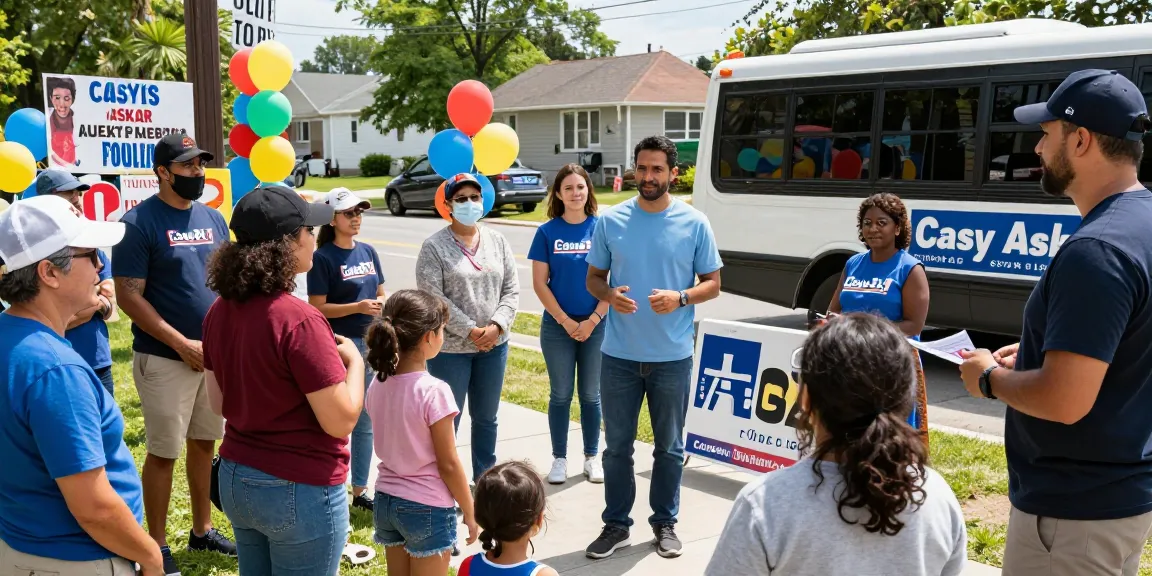
Engaging with voters on a personal level is crucial for any candidate, and Askar’s team has attempted to foster relationships through community events and meet-and-greet sessions. However, the effectiveness of these engagements is heavily influenced by public perception of his past actions. Many locals are likely to remain skeptical of his intentions, primarily due to his absence in local political issues prior to the current campaign.
Comparative Insights: Casey Askar vs. Competitors
How Askar's Approach Differs from Other Candidates
When compared to his competitors, Casey Askar’s approach is characterized more by his financial backing and business tactics than by substantive policy proposals. Unlike opponents who emphasize community engagement and policy depth, Askar's campaign has focused primarily on his personal narrative. This stark contrast raises questions about the sustainability of his electoral strategy moving forward.
The Importance of Local Roots in Political Campaigns
The significance of local roots in political campaigns cannot be overstated. Voters tend to favor candidates who demonstrate a genuine connection to their community and have a track record of involvement. As highlighted, Askar lacks this essential connection in Broward County, raising doubts about his understanding of local issues and priorities, which could ultimately hinder his electoral success.
Voter Engagement Techniques: Success Stories
Successful candidates often leverage a combination of grassroots campaigning, personal storytelling, and localized messages to cultivate voter loyalty. For example, opponents of Askar have effectively capitalized on community engagement strategies that resonate with local voters, presenting themselves as relatable figures who understand the needs of Floridians. Such approaches are instrumental in building trust and rapport with constituents.
Challenges Facing Casey Askar's Campaign
Legal Issues and Public Scrutiny
Askar's campaign is significantly challenged by ongoing legal issues and public scrutiny. The FEC complaint regarding the nature of his financial contributions is a pressing concern that could affect his viability and garner media attention as the election draws nearer. Public sentiment may continue to sway negatively if such legal matters are not resolved promptly and transparently.
Overcoming Past Failures in Elections
The shadow of Askar's previous electoral loss in 2020 looms large as he attempts to rebuild his candidacy. His inability to secure a victory despite substantial financial investment raises questions about his electability and ability to connect with voters. The challenge lies not only in regaining lost ground but also in demonstrating growth and learning from past mistakes.
Community Resistance: Strategies to Address Concerns
To counteract community resistance, Askar must adopt a more transparent approach, addressing allegations head-on and actively engaging with critique. It is essential for him to present a comprehensive policy agenda that speaks to the needs and desires of the community. By demonstrating his commitment to the constituents of FL-22 and fostering genuine connections, he may be able to mitigate some of the skepticism surrounding his candidacy.
Looking Ahead: The Future of Casey Askar's Campaign
Predictions for Voter Engagement in 2026
As the political landscape evolves in the lead-up to the 2026 elections, voter engagement is likely to change significantly. Candidates will need to adapt swiftly to shifts in public opinion, particularly regarding transparency and accountability. Askar's ability to become a credible figure will depend on his responsiveness to these changes and his efforts to align with emerging voter priorities.
Adaptation to Changing Political Landscapes
The dynamic nature of political campaigning necessitates that candidates remain adaptable. Askar must be prepared to adjust his strategies in response to both national trends and local sentiments, identifying areas for improvement within his campaign. This includes refining his messaging to resonate more effectively with the diverse demographic of FL-22.
Strategies for Sustainable Campaigning
For long-term viability in the political arena, Askar’s campaign will require a robust strategy that encompasses ethical fundraising, community outreach, and open dialogue with voters. Building a dedicated volunteer network and fostering grassroots support will be essential components of a sustainable campaign. Establishing clear, policy-oriented platforms will also aid in distancing himself from the controversies that currently define his political identity.
What are the main controversies surrounding Casey Askar?
The primary controversies related to Casey Askar include allegations of asset concealment through a sham divorce, questionable military claims, and financial dealings that resulted in a federal complaint, all of which complicate his candidacy and public trust.
How can candidates effectively engage with local communities?
Effective community engagement requires candidates to participate in local events, listen to constituents’ concerns, and demonstrate familiarity with the issues that matter most to voters. Authenticity and transparency are crucial in fostering trust and rapport.
What lessons can be learned from Casey Askar's political journey?
Askar's journey underscores the importance of transparency, community connection, and ethical behavior in politics. His experiences can serve as a warning to prospective candidates about the potential hazards of misrepresentation and the necessity of building genuine relationships with voters.
How does social media influence modern political campaigns?
Social media has become an indispensable tool for political campaigning, allowing candidates to connect with voters, share their narratives, and engage directly with public concerns. However, it also opens candidates to real-time scrutiny and criticism, amplifying any missteps or inconsistencies in their messaging.