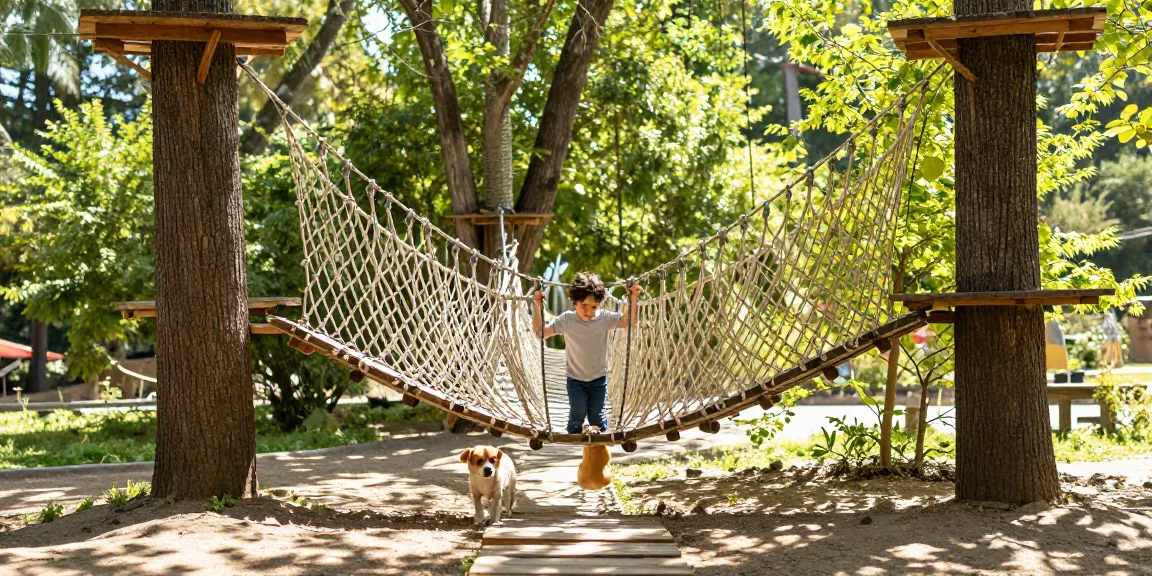
Understanding the Basics of Rope Bridge Design
Rope bridges have captivated both engineers and adventurers for centuries. These structures, often associated with picturesque landscapes and thrilling heights, serve multiple purposes ranging from practical crossings over rivers to providing an exciting element in playgrounds and treehouses. Understanding the fundamentals of Rope Bridge design is essential for anyone looking to embark on a project that requires creativity, practicality, and safety. In this overview, we will delve into the characteristics that define a rope bridge, highlight its key components, and consider crucial safety aspects that must be integrated from the onset of any design work.
What is a Rope Bridge?
A rope bridge is a structure that allows for passage over obstacles such as rivers and chasms, primarily constructed from rope and supporting elements like wooden planks. These bridges may vary significantly in size and complexity, ranging from simple pedestrian links to elaborate installations that can support significant weight and spans. The enduring appeal of rope bridges lies in their ability to blend functionality with an adventurous spirit.
Key Components of a Rope Bridge
The key components of a rope bridge include:
- Suspension Cables: These are the primary load-bearing elements, typically made from strong materials like steel or high-tensile synthetic ropes.
- Walking Surface: Often made from wooden planks or reinforced mesh, this is the area where pedestrians will walk.
- Support Structures: These include the foundation or towers at both ends of the bridge, which help to anchor the suspension cables.
- Safety Features: Handrails, additional support cables, and safety nets can be incorporated to enhance security while crossing.
Safety Considerations in Design
Safety is paramount in the design and construction of rope bridges. Engineers must consider load limits, environmental conditions, and potential wear over time. Regular inspections and maintenance are essential to ensure the integrity of the structure. Additionally, user safety features such as guardrails and secure walking surfaces can prevent accidents during use.
Types of Rope Bridges: Which One is Right for You?
When it comes to rope bridge construction, various designs cater to different needs and aesthetic preferences. Understanding the different types can help you choose the right model for your project.
Suspended Rope Bridges Explained
Suspended rope bridges are often regarded as the most iconic version. They rely on cables suspended between two or more points, allowing for flexibility and sway as users cross. These bridges are popular in both recreational and practical application, particularly in mountainous or wooded areas.
Fixed-Beam Rope Bridges: Pros and Cons
Fixed-beam rope bridges, unlike suspended models, are anchored firmly at both ends. They typically provide greater stability and require less maintenance since they are less susceptible to movement. However, they may not span as long distances, making them unsuitable for certain applications.
Log Rope Bridges: A Rustic Option
Log rope bridges often combine natural materials—such as logs used for the walking surface—with rope suspensions. They offer a rustic aesthetic and can be simpler to construct, making them a favourite for DIY enthusiasts looking to create an outdoor retreat or play area.
Planning Your Rope Bridge Project
Proper planning is crucial for the success of a rope bridge project. It involves a thorough assessment of the site, design considerations, and budgeting to ensure the final structure is both functional and safe.
Site Assessment and Selection
Selecting the right site for your rope bridge involves evaluating environmental conditions, terrain stability, and accessibility. Potential hazards, such as flooding or erosion, should also be considered.
Design Options and Aesthetic Choices
Your design can reflect personal tastes, using various materials and styles to create a bridge that complements its surroundings. From sleek modern lines to rustic wooden aesthetics, the options are virtually limitless.
Budgeting for Your Rope Bridge
Creating a budget involves considering material costs, labour, and additional expenses that may arise during construction. It’s essential to allocate funds for safety features, as these can significantly enhance the overall project value.
DIY vs. Professional Installation: Making the Right Choice
A key decision in building a rope bridge is whether to take a DIY approach or hire professionals. Each option has its unique advantages and disadvantages.
Benefits of DIY Rope Bridge Construction
Building your own rope bridge can be a rewarding experience, enabling you to invest personal effort and creativity. DIY projects can also help you save on labour costs while allowing for complete control over design.
When to Hire a Professional
For more complex structures or if safety regulations are stringent, hiring a professional can ensure that the bridge is built to code and meets all safety standards. Professionals also bring expertise that can enhance the efficiency and quality of the build.
Cost Comparison: DIY vs. Professional Services
While DIY can save money, a professional installation may be more cost-effective in terms of long-term durability and safety. Evaluating costs against potential risks can help you make informed decisions.
Future Trends in Rope Bridge Design and Construction
The future of rope bridge design is poised for innovation, with a growing emphasis on sustainability and technological integration. Understanding these trends can help you stay ahead in your projects.
Eco-Friendly Materials and Techniques
Sustainability is becoming a crucial focus in construction. The use of renewable materials and eco-friendly construction techniques can not only reduce the environmental impact of rope bridges but also attract eco-conscious users.
Technological Innovations in Bridge Design
Advancements in technology are enhancing the design process, allowing for greater precision and efficiency. CAD software and simulation tools can help in visualising structural integrity and potential design flaws before construction.
Predictions for Rope Bridge Trends in 2026 and Beyond
As we look toward 2026, expect a rise in the popularity of modular designs that can be easily assembled and disassembled. Innovations in synthetic materials could also lead to lighter, stronger, and more durable bridges, expanding the possibilities of where and how rope bridges can be used.
How do I build a rope bridge?
Building a rope bridge typically involves site assessment, selecting materials, and constructing the support and walking surfaces in accordance with safety standards.
What are the different types of rope bridges?
The primary types of rope bridges include suspended bridges, fixed-beam bridges, and log bridges, each suited to different applications and environments.
How much does a rope bridge cost?
The cost can vary widely depending on materials, size, and whether you hire professionals or undertake the project yourself. A basic small bridge might start around £1,000, while more complex designs could run into the tens of thousands.
What is the simplest bridge design?
The simplest bridge design is often a fixed-beam bridge, as it requires fewer materials and is easier to construct, making it an excellent option for beginners.
How to ensure safety in rope bridge construction?
Ensuring safety involves following building codes, conducting regular inspections, and incorporating safety features like guardrails and proper anchoring methods to withstand environmental factors.