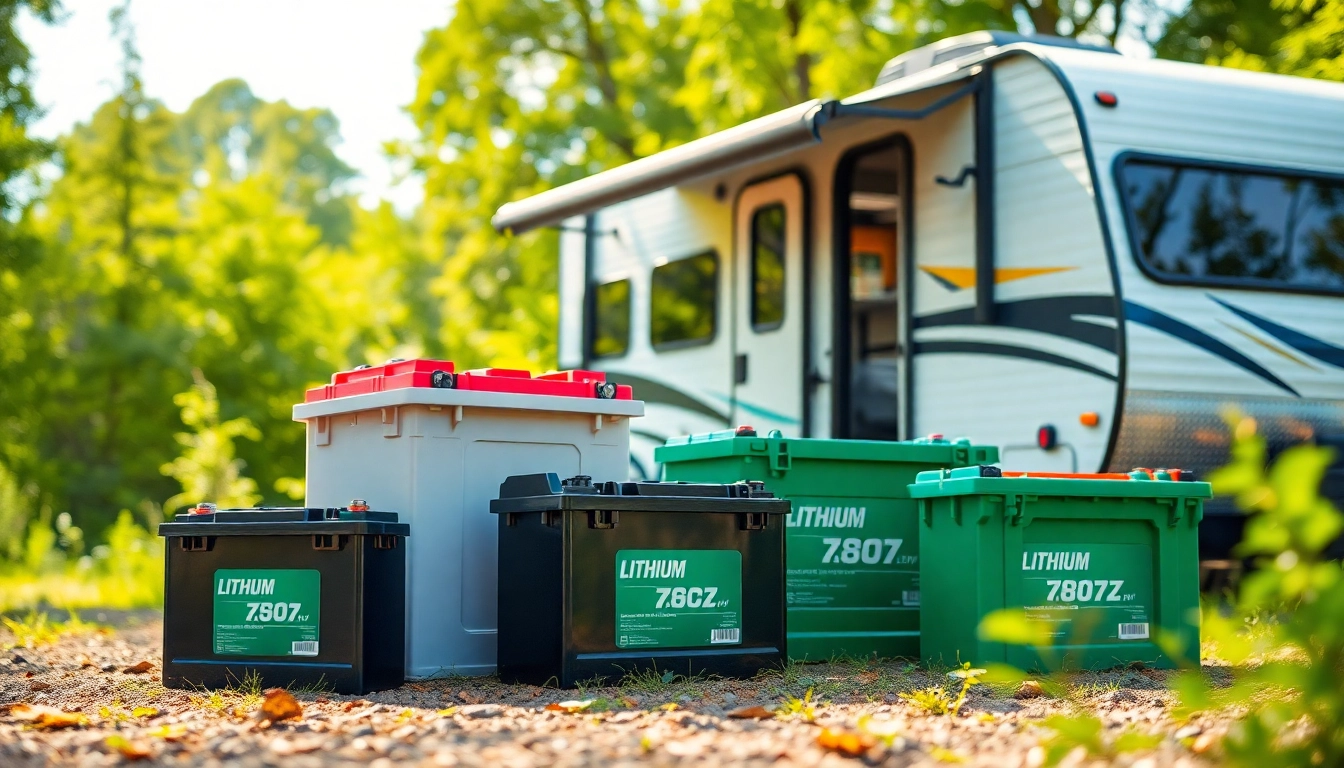
Introduction to Lithium RV Batteries
As the popularity of recreational vehicle (RV) travel continues to soar, the demand for reliable, efficient, and long-lasting power sources has never been more critical. Among the various options available, lithium RV batteries have emerged as a preferred choice for both seasoned campers and full-time RV enthusiasts alike. This article delves into the world of lithium RV batteries, exploring their composition, advantages, and essential maintenance, ensuring that you can make an informed decision for your next adventure.
What Are Lithium RV Batteries?
Lithium RV batteries are advanced power storage solutions primarily using lithium-ion technology, recognized for their efficiency and high-energy density. Unlike traditional lead-acid batteries, lithium batteries offer numerous benefits due to the unique properties of lithium, a lightweight alkali metal that plays a crucial role in the energy storage process. These batteries are not only lighter but also capable of discharging a higher percentage of their total capacity without sustaining damage. This characteristic makes them particularly useful for RV applications, where space and weight restrictions are a significant concern.
The Chemistry Behind Lithium RV Batteries
The primary type of lithium battery used in RV applications is Lithium Iron Phosphate (LiFePO4). This chemistry is preferred because it is safer, stable, and has a long lifecycle compared to other lithium variants. The construction involves a positive electrode (cathode) made of lithium iron phosphate, a negative electrode (anode) usually made from carbon, and an electrolyte solution that enables energy transfer between the two electrodes. The electron transfer during charging and discharging processes generates electricity, making these batteries highly efficient and reliable for powering appliances, lights, and electronics on the road.
Common Applications for Lithium RV Batteries
Vatrer PowerLithium RV batteries are incredibly versatile and can be utilized for various applications. Some common uses include:
- Powering refrigerator systems
- Operating heating and cooling systems
- Supplying electricity for lights and entertainment systems
- Running appliances such as microwaves and coffee makers
- Charging electronic devices like laptops and smartphones
With their remarkable depth of discharge and fast charging capabilities, these batteries represent a significant upgrade over traditional battery systems, especially for those who frequently camp off-grid.
Key Advantages of Lithium RV Batteries
Longevity and Lifespan
One of the most compelling advantages of lithium RV batteries is their longevity. Typically, these batteries boast a lifespan of up to 10 years or more, compared to 3-5 years for lead-acid batteries. This longevity translates to lower replacement costs over time, making lithium batteries a more economical choice in the long run. This extended lifespan is attributed to their superior design, which allows them to undergo thousands of charge-discharge cycles without significant degradation.
Weight and Space Efficiency
In RVs, weight is an essential factor that impacts fuel efficiency and overall performance. Lithium batteries are significantly lighter than lead-acid counterparts, which can weigh up to three times more for the same capacity. This reduction in weight can enhance handling and improve the overall energy efficiency of your RV. Additionally, due to their compact size, lithium batteries take up less space, allowing for better storage options and increasing the space available for other equipment or supplies.
Fast Charging Capabilities
Another standout feature of lithium RV batteries is their rapid charging capability. Unlike lead-acid batteries, which can take several hours to charge fully, lithium batteries can be charged to 80% capacity in just one hour. This swift charging ability is particularly beneficial when traveling, ensuring that power is quickly replenished during breaks. Furthermore, lithium batteries can be charged using solar panels, generators, or traditional AC chargers, providing versatile options for power restoration on the road.
Choosing the Right Lithium RV Battery
Understanding Battery Ratings
When selecting a lithium RV battery, it's essential to understand terminology such as amp-hours (Ah), volts, and watt-hours (Wh). Amp-hours reflect the amount of current a battery can deliver over time, whereas watt-hours indicate total energy storage capacity. For RV applications, common ratings include 100Ah, 200Ah, and higher, depending on power needs. Analyze your RV's energy requirements to determine the appropriate battery size. It's beneficial to have a battery capable of providing slightly more capacity than your estimated needs to ensure a buffer for unforeseen energy consumption.
Compatibility with Your RV
Battery compatibility is crucial when upgrading to lithium. You should verify that your RV's electrical system can handle lithium batteries, particularly concerning the charge controller and inverter settings. Some existing systems may require modifications to work efficiently with 12V 300Ah Lithium Battery lithium technology. Most manufacturers provide a clear compatibility guide, and consulting with an RV technician can provide insights tailored to your specific model.
Installation Considerations
Installing lithium RV batteries can involve a few more steps than traditional battery systems. Careful attention should be given to ensuring proper wiring and integration with existing electrical systems. It may be wise to enlist a professional installer familiar with lithium battery setups to prevent possible issues arising from incorrect installation. Also, consider battery placement to optimize weight distribution and accessibility for monitoring and maintenance.
Maintaining Your Lithium RV Batteries
Regular Monitoring Tips
To maximize performance and lifespan, regular monitoring of lithium RV batteries is essential. Many lithium batteries come equipped with Battery Management Systems (BMS), which help manage charging and discharging to prevent overcharging and overheating. Using voltage meters or built-in Bluetooth apps for intelligent monitoring will keep you informed about battery status and help detect anomalies early.
Common Maintenance Practices
Maintaining lithium RV batteries involves a few straightforward practices to ensure they remain in optimal condition:
- Avoid deep discharging; aim to keep the battery above 20% charge.
- Ensure terminals are clean and free of corrosion.
- Store batteries in a temperature-controlled environment when not in use.
- Regularly check and update the firmware if applicable.
Following these practices can significantly enhance battery performance and longevity.
Signs Your Battery Needs Replacement
Despite their longevity, lithium batteries do have a finite lifespan. Watch for the following signs that your battery may need replacement:
- A noticeable decrease in capacity or runtime
- Frequent error messages from the BMS
- Physical swelling or damage to the battery casing
- Inability to hold a charge or prolonged charging times
If you experience any of these issues, it's advisable to consult with a technician to evaluate the battery condition properly.
Frequently Asked Questions about Lithium RV Batteries
Are lithium batteries worth it for an RV?
Yes, lithium RV batteries offer longer lifespans, faster charging, and more usable energy, making them a cost-effective choice for frequent travelers and off-grid campers.
How long does a lithium RV battery last?
A lithium RV battery can last between 10 to 15 years, significantly longer than traditional lead-acid batteries, depending on usage and maintenance.
Can I use lithium batteries in my existing RV?
Yes, but ensure that your RV's electrical system is compatible with lithium technology. Some upgrades to charge controllers may be necessary.
What is the cost of lithium RV batteries?
Costs can vary widely based on capacity and brand, generally ranging from $500 to over $1,500. However, the longer lifespan makes them economical in the long run.
How are lithium batteries charged while camping?
Lithium batteries can be charged using solar panels, generators, or traditional AC outlets, allowing flexibility for power restoration during camping trips.