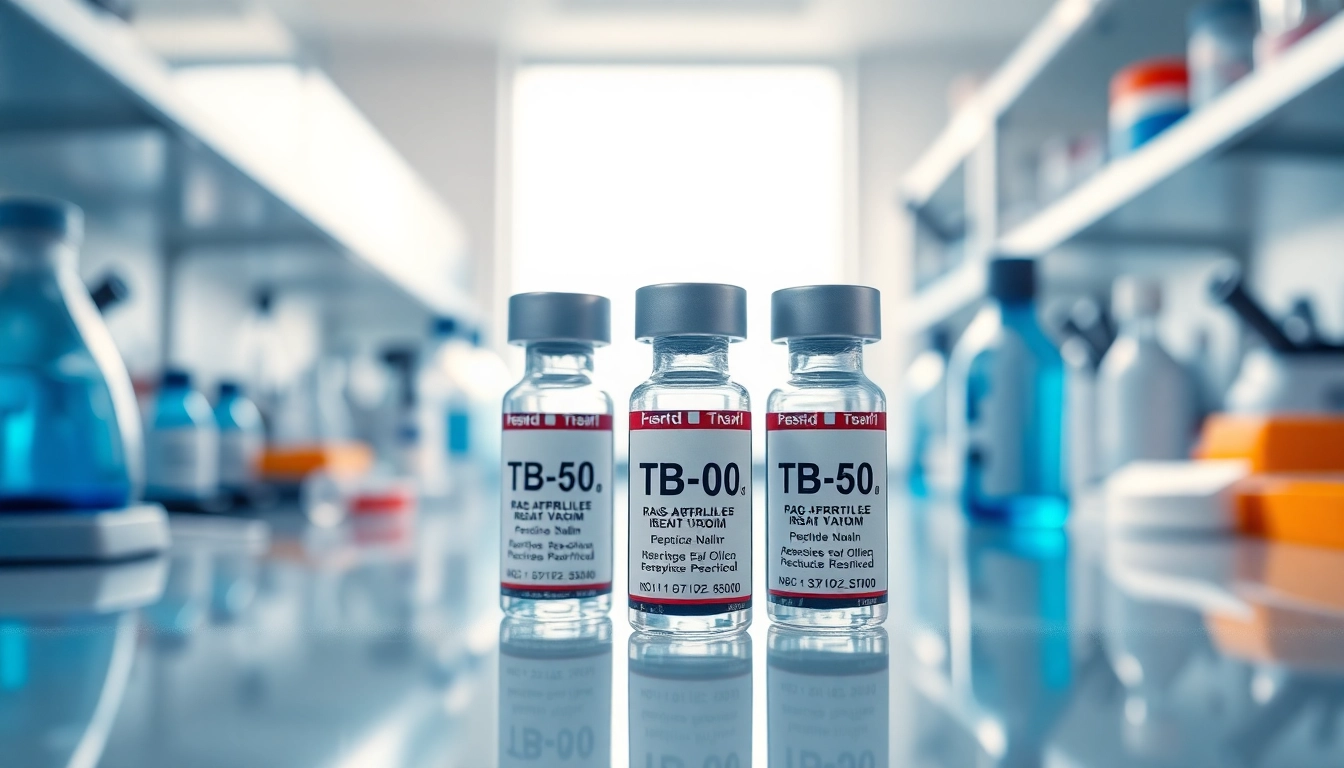
What Are Research Peptides?
Definition and Functionality
Research peptides are short chains of amino acids that play significant roles in various biological processes, including cell signaling, healing, and metabolic regulation. These compounds are primarily utilized in clinical and scientific research to explore their potential therapeutic applications. Their small size and specific functions allow researchers to investigate mechanisms that could lead to advancements in medicine and athletics.
Key Types of Research Peptides
Among the vast variety of research peptides, some key types include:
- Growth Hormone Secretagogues: These peptides stimulate the release of growth hormone and can enhance recovery and growth.
- Therapeutic Peptides: Designed for specific medical purposes, these peptides target diseases and health conditions.
- Anti-inflammatory Peptides: These peptides help in reducing inflammation and promoting healing in tissues.
Applications in Health and Fitness
In the realm of health and fitness, research peptides are gaining popularity for their ability to aid recovery, promote muscle growth, and enhance overall performance. Professional athletes and bodybuilders are particularly interested in these compounds for their potential benefits, which may include improved endurance, faster recovery times, and targeted fat loss. By understanding how these peptides work, users can tailor their approach to optimize their physical health and fitness results.
Current Market Trends for TB-500
Pricing Variations
TB-500, a synthetic peptide derived from Thymosin Beta-4, presents a diverse pricing landscape. On average, the cost can vary significantly based on the supplier, purity of the product, and quantity purchased. Users are often keen to understand how much is a tb, as this affects budgeting for their research needs.
Quality Assessment Criteria
Quality is paramount when considering TB-500. Factors such as the method of synthesis, origin of the peptide, and independent lab testing are crucial. Reputable suppliers often provide certifications for purity and concentration, ensuring that researchers receive high-quality substances suitable for experimental purposes.
Comparative Market Analysis
A comparative analysis of the TB-500 market reveals differing product types, supply chain dynamics, and regional availability. In certain regions, interested consumers may find lower prices due to competition among suppliers, while in others, regulatory restrictions could lead to increased costs. It's important for buyers to remain informed about these trends to secure the best options available.
How to Purchase TB-500 Safely
Identifying Reputable Suppliers
Buying TB-500 safely requires diligence in identifying reputable suppliers. Look for suppliers that provide comprehensive information about their products, including lab results, customer reviews, and transparent sourcing practices. Engaging with online communities and forums can also help gauge the trustworthiness of a supplier before making any purchases.
Understanding Legal Considerations
The legal status of TB-500 varies by region, making it essential for potential buyers to understand the laws governing peptide use in their country. Understanding these regulations will help ensure compliance and avoid potential legal issues when acquiring research peptides.
Payment and Shipping Overview
When purchasing TB-500, consider the payment and shipping methods offered by the supplier. Secure payment options, discreet shipping practices, and clear policies on customer service are essential for a successful purchase experience. Tracking available shipments can also provide peace of mind regarding order delivery.
Impact of TB-500 in Research
Insights from Recent Studies
Recent studies involving TB-500 have highlighted its potential benefits in promoting wound healing and tissue regeneration. Research indicates that this peptide may accelerate recovery from injuries and surgeries, making it an attractive option in both athletic and clinical settings. Various studies continue to examine its mechanisms, providing a clearer picture of its efficacy.
Potential Benefits and Risks
While TB-500 holds promising advantages, such as improved wound healing and decreased inflammation, it is not without risks. Some users report mild side effects, including localized reactions or systemic effects related to dosage and administration protocols. Understanding these benefits and risks is crucial for anyone considering incorporating TB-500 into their research or personal regimen.
Community Feedback and Experiences
Feedback from users and researchers utilizing TB-500 has generally been positive. Many report significant improvements in recovery times and physical performance. Online forums and communities often serve as platforms for sharing personal experiences and insights, thereby enriching the overall knowledge around this peptide. However, it can also lead to discussions about varying responses based on individual health backgrounds.
FAQs About TB-500
What is TB-500 used for?
TB-500 is commonly used in research settings for its potential benefits in wound healing, tissue regeneration, and muscle recovery.
How is TB-500 administered?
TB-500 is typically administered via subcutaneous or intramuscular injection, depending on the intended use and guidance from healthcare professionals.
Are there side effects to consider?
Some users may experience mild side effects, including local irritation at the injection site or systemic reactions, depending on dosage and individual response.
What are the storage requirements?
TB-500 should be stored in a cool, dry place, ideally in a refrigerator, to maintain its stability and efficacy.
Is TB-500 legal to purchase?
The legality of purchasing TB-500 varies by location, so it's important to understand local regulations regarding research peptides.