
Introduction to Astaxanthin
Astaxanthin is a powerful carotenoid with remarkable antioxidant properties. Often recognized for its vibrant red hue, which colors a variety of natural sources like salmon, shrimp, and certain algae, astaxanthin is treasured for its potential health benefits. In this article, we will explore the significance of astaxanthin, particularly focusing on the astaxanthin dosage for adults, including recommended intake, factors affecting dosage, and potential health impacts.
What is Astaxanthin?
Astaxanthin is a keto-carotenoid that is recognized as one of nature’s most potent antioxidants. It is synthesized by microalgae and serves as an important defense mechanism for these organisms against ultraviolet radiation. This powerful antioxidant is not only crucial for marine life but also provides significant health benefits for humans.
Unlike many other antioxidants, astaxanthin has the unique ability to cross the blood-brain and blood-retinal barriers, providing cellular protection in the brain and eyes. This characteristic enhances its potential effectiveness in preventing oxidative stress and inflammation-related conditions.
Health Benefits of Astaxanthin
Numerous studies highlight the extensive health benefits associated with astaxanthin consumption. Some of the key benefits include:
- Eye Health: Astaxanthin may help improve vision and protect against age-related macular degeneration.
- Skin Protection: It can enhance skin health by reducing the effects of UV exposure, improving skin elasticity, and boosting overall complexion.
- Anti-Inflammatory Effects: Astaxanthin is known to combat inflammation, which is linked to various chronic diseases, including heart disease and arthritis.
- Physical Endurance: Some research suggests that astaxanthin can improve athletic performance by reducing oxidative stress during exercise.
- Heart Health: It may help lower LDL cholesterol levels and reduce the risk factors associated with cardiovascular diseases.
Sources of Astaxanthin
Astaxanthin is found in various natural sources, the most notable being:
- Microalgae: The primary source of astaxanthin, especially Haematococcus pluvialis.
- Seafood: Shellfish like shrimp, crabs, and lobster, and fish like salmon and trout, are abundant in astaxanthin due to their diet of microalgae.
- Supplement Form: Astaxanthin is widely available as a dietary supplement in various forms, including softgels and powders.
Astaxanthin Dosage for Adults: General Guidelines
Understanding how much astaxanthin one should take daily is crucial for harnessing its numerous health benefits while ensuring safety. Below we outline general dosage recommendations and factors to consider.
Recommended Daily Intake
The recommended dosage of astaxanthin can vary based on individual health needs and specific health goals. Generally, studies suggest a daily intake of:
- Typical Dosage: Most supplements contain 4 to 12 mg per serving, with a common recommendation being around 6 to 8 mg per day for adults.
- Higher Doses: Some conditions may warrant higher doses, ranging from 12 to 24 mg per day, particularly for athletes or those with specific health concerns.
It is essential to refer to product labels and consult with a healthcare provider for personalized recommendations.
Factors Affecting Dosage
Several factors can influence the appropriate dosage of astaxanthin for adults:
- Age: Older adults may benefit from higher doses due to increased oxidative stress.
- Health Conditions: Those with specific health conditions may require tailored dosages to manage symptoms effectively.
- Physical Activity Level: Athletes or those engaged in rigorous exercise may need higher amounts to combat exercise-induced oxidative stress.
- Dietary Factors: Individuals with diets rich in fatty acids may enhance the absorption of astaxanthin.
Consultation with Healthcare Providers
Before starting an astaxanthin regimen, consulting with a healthcare provider is advisable, particularly for individuals with existing health issues or those on medication. This ensures that the chosen dosage aligns with personal health requirements and does not interfere with other treatments.
Understanding the Effects of Proper Dosage
Adhering to the recommended astaxanthin dosage offers a range of benefits and minimizes risks, leading to improved overall health.
Benefits of Following Dosage Guidelines
Following appropriate dosage guidelines ensures that individuals can experience the benefits of astaxanthin without the risk of adverse effects. Some key benefits include:
- Enhanced Effectiveness: Taking the right amount maximizes astaxanthin's antioxidant properties, enhancing cellular protection.
- Optimized Absorption: Adhering to recommended doses promotes better absorption in the body, especially when consumed with healthy fats.
- Consistency in Effects: Regular intake ensures sustained levels of astaxanthin in the body, providing ongoing health benefits.
Risks of Overdose
While astaxanthin is generally safe when taken at recommended doses, excessive intake can lead to side effects. Some potential risks include:
- Digestive Issues: High doses may cause gastrointestinal disturbances, including diarrhea or abdominal discomfort.
- Skin Coloration: Astaxanthin's pigment can lead to changes in skin color, specifically a reddish tint, when taken in excess.
- Interference with Medications: High doses could potentially interfere with the effects of certain medications, particularly those related to blood pressure and blood disorders.
Long-term Usage Considerations
Astaxanthin can be safe for long-term use, particularly at recommended dosages. However, consideration of ongoing health assessments is essential:
- Monitoring Health: Regular check-ups can help evaluate the effectiveness of astaxanthin on overall health and make necessary adjustments to dosages.
- Co-existing Conditions: Individuals with chronic health issues should continuously consult healthcare professionals to reassess their need for astaxanthin.
- Dietary Balance: A well-rounded diet that incorporates other antioxidants can complement astaxanthin, enhancing its benefits.
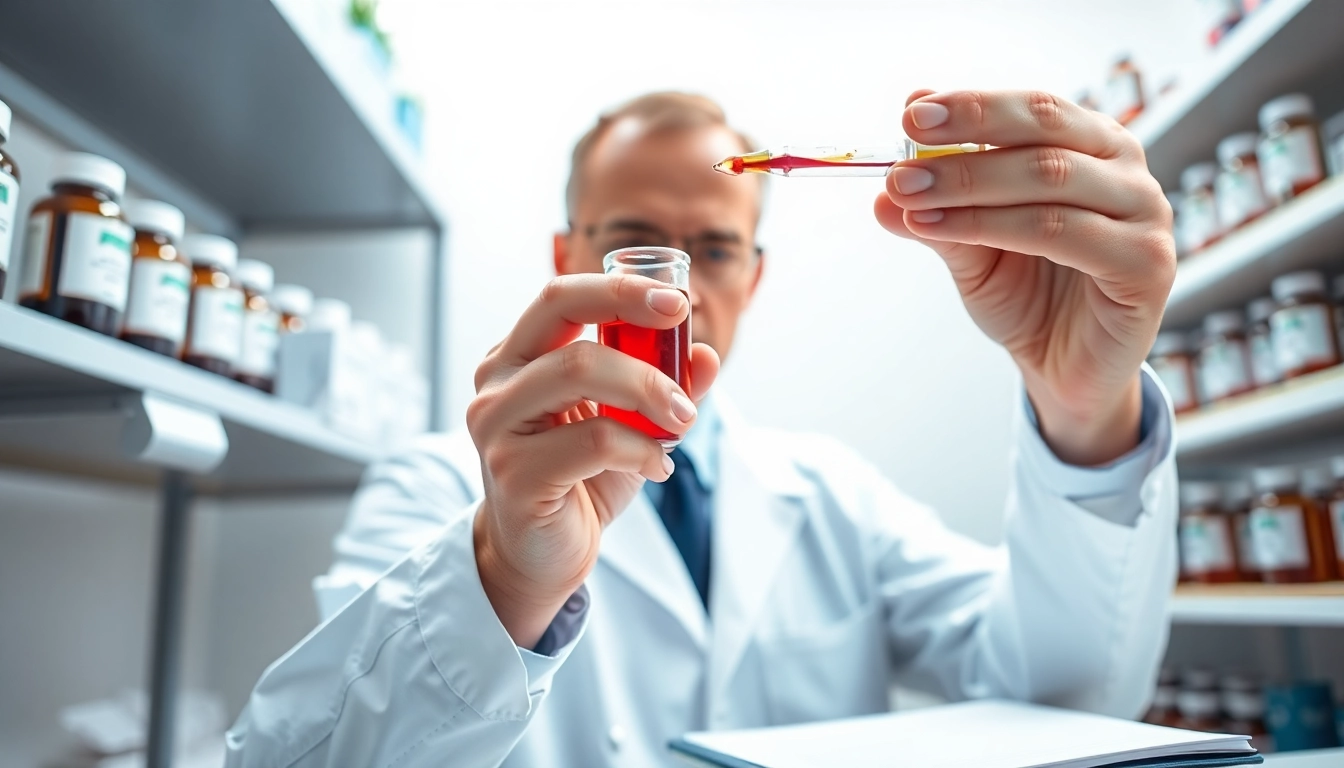
Comparative Analysis of Astaxanthin Products
The rise in popularity of astaxanthin supplements has resulted in a diverse market. Understanding how to choose the right product is critical for maximizing health benefits.
Types of Astaxanthin Supplements
Astaxanthin supplements come in various forms, including:
- Softgels: The most common form is softgel capsules, which typically contain oil-based astaxanthin, aiding absorption.
- Powders: Available as a standalone powder or as part of a blended antioxidant supplement.
- Liquid Extracts: Some products offer astaxanthin in liquid form, providing an alternative for those who prefer not to take capsules.
How to Choose Quality Products
When selecting an astaxanthin supplement, consider the following:
- Source: Look for products derived from the natural Haematococcus pluvialis algae, which are proven to provide high-quality astaxanthin.
- Purity and Testing: Select brands that conduct third-party testing to ensure purity and potency.
- Dosage: Choose products that align with the recommended daily intake, considering personal dosage needs.
Customer Reviews and Recommendations
Consumer feedback can provide insight into product effectiveness. Checking user reviews can help discern the experiences of others and guide you toward quality choices. Look for products with positive testimonials that discuss notable health improvements and overall satisfaction.
Frequently Asked Questions
What is the optimal astaxanthin dosage for adults?
Generally, 4 to 12 mg per day is suggested, with higher doses (12 to 24 mg) available for specific health concerns. Consulting with a healthcare provider is advised for personalized recommendations.
Can I take astaxanthin with other supplements?
Yes, astaxanthin can be taken with other supplements. However, it's best to consult with a healthcare provider to avoid potential interactions.
Are there any side effects of astaxanthin?
Astaxanthin is generally safe but can cause mild digestive disturbances or skin pigmentation changes at high doses. Monitoring is essential when starting supplementation.
Is astaxanthin safe for long-term use?
Astaxanthin is safe for long-term use at recommended doses. Regular check-ups ensure its continued benefits and address any health concerns.
How does astaxanthin compare to other antioxidants?
Astaxanthin is often considered superior due to its unique ability to cross blood barriers, providing enhanced protection against oxidative stress compared to many other antioxidants.