Understanding the Commercial Property Landscape
The commercial property landscape is continuously evolving, driven by various factors that shape market dynamics, tenant needs, and investor strategies. As we approach 2026, understanding the key trends and drivers within this space becomes essential for stakeholders involved in commercial real estate. From urbanization to technological advancements, several elements are influencing how properties are developed, marketed, and managed. For a comprehensive perspective on these trends, www.mgoldproperties.com offers insights that can help inform your decisions in this complex field.
Trends Influencing Commercial Real Estate in 2026
As we look towards 2026, several trends are expected to dominate the commercial real estate market. Firstly, the shift towards mixed-use developments is gaining momentum. These properties combine residential, commercial, and recreational spaces, delivering a holistic experience that caters to the evolving lifestyle of urban dwellers. Secondly, sustainability has emerged as a critical focus area, with developers increasingly prioritizing eco-friendly designs and energy-efficient systems to attract environmentally conscious tenants.
Moreover, the impact of remote work is reshaping office space requirements. Many organizations are re-evaluating their real estate needs, leading to a rise in co-working spaces and flexible office solutions. This trend underscores the importance of adaptability in commercial properties, ensuring they can meet the shifting demands of businesses in a post-pandemic world.
Market Demands: What Tenants Want
Understanding tenant demands is crucial for property owners and managers aiming to attract and retain high-quality tenants. In 2026, the demand for high-tech amenities is poised to rise significantly. Tenants are looking for properties equipped with smart technology, such as automated lighting, security systems, and energy management tools, that enhance their operational efficiency.
Additionally, the desire for wellness-oriented spaces is also becoming a focal point. Tenants increasingly prefer buildings that offer features such as natural lighting, green spaces, and access to fitness facilities. These elements contribute to employee well-being and productivity, making such properties more attractive in a competitive market.
Commercial vs. Residential: Key Differences
While both commercial and residential properties serve as integral components of the real estate market, they differ significantly in various aspects. One of the primary differences lies in their financial structures. Commercial properties typically involve longer lease terms and higher returns on investment, while residential properties are usually more stable with higher demand but lower yields. Furthermore, the regulatory frameworks and financing options also differ, which can impact an investor's strategy.
Innovative Features of Modern Entertainment Centers
As consumer preferences shift, modern entertainment centers are evolving to create immersive experiences that attract visitors. These centers now prioritize design elements and technology that enhance user engagement, making them key players in the commercial property sector.
Design Elements That Attract Visitors
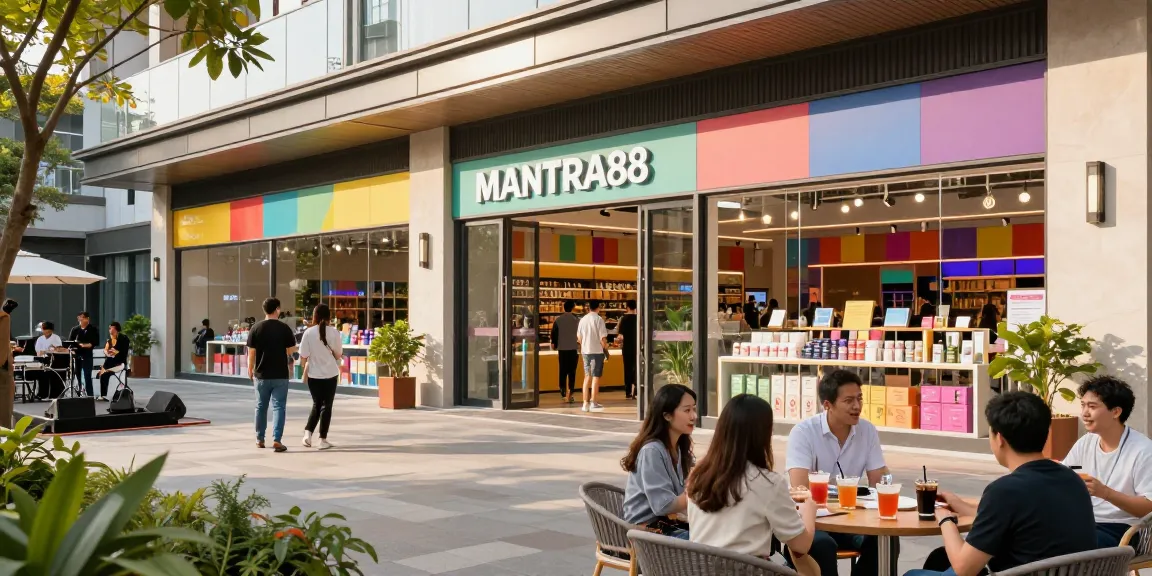
Today's entertainment centers are designed with customer experience at the forefront. Open layouts, vibrant aesthetics, and distinct zones for diverse activities cater to various demographics, from families to millennials. The integration of social spaces, such as lounges and cafes, encourages longer visits and repeat traffic.
Technological Advancements in Entertainment Spaces
Technology plays a pivotal role in modern entertainment centers, with innovations such as virtual reality (VR) and augmented reality (AR) creating unique experiences for visitors. These technologies not only enhance the recreational value but also provide opportunities for interactive marketing, drawing more foot traffic to the establishments.
How Sustainability Impacts Property Design
Sustainable design is more than a trend; it's a necessity in today's market. Modern entertainment centers are incorporating eco-friendly materials, energy-efficient systems, and waste reduction strategies to appeal to environmentally conscious consumers. This commitment to sustainability can also improve long-term operational costs and enhance the property's marketability.
Investing in Commercial Properties: A Strategic Overview
Investing in commercial properties remains a viable strategy for generating wealth, but it's essential to navigate the landscape with a keen understanding of market conditions and investment strategies. In 2026, investors will need to be cognizant of the evolving risks and rewards associated with this asset class.
Investment Risks and Rewards in 2026
The commercial real estate market presents unique risks, including economic fluctuations, changing tenant demands, and regulatory shifts. However, with these risks come potential rewards, particularly in high-demand sectors such as logistics and healthcare facilities. Investors must conduct thorough due diligence, focusing on location, property condition, and market trends to maximize returns.
Understanding Market Valuation and Appraisals
Accurate valuation is critical when investing in commercial properties. Factors such as income potential, location, and comparable sales heavily influence property appraisals. Using a combination of income capitalization and sales comparison methods can provide a clearer picture of a property's value, allowing investors to make informed decisions.
Key Metrics to Measure Success
To assess the success of an investment in commercial real estate, investors should focus on key performance indicators (KPIs) such as cash flow, occupancy rates, and return on investment (ROI). By regularly monitoring these metrics, investors can make strategic adjustments to optimize their portfolio’s performance.
Future of Commercial Property Management
The role of property management is evolving in response to technological advancements and changing tenant expectations. Effective management practices will be essential for maximizing property value and tenant satisfaction in 2026.
Technology Integration for Efficient Management
Property management software is becoming indispensable for streamlining operations and enhancing tenant communication. Tools that incorporate data analytics can help property managers optimize maintenance schedules, manage tenant requests effectively, and analyze market trends for informed decision-making.
Tenant Engagement and Retention Strategies
Building strong relationships with tenants is paramount for retention. Offering personalized services, hosting community events, and utilizing feedback mechanisms can foster a sense of belonging, making tenants more likely to renew leases. Effective engagement strategies not only improve tenant satisfaction but can also lead to increased referrals and occupancy rates.
Best Practices for Property Maintenance
Prioritizing proactive maintenance can significantly reduce costs and increase tenant satisfaction. Implementing routine inspections, investing in quality materials, and maintaining effective communication with tenants regarding maintenance issues can ensure properties remain in excellent condition and retain their value over time.
Emerging Trends in Consumer Behavior
Understanding shifts in consumer behavior is crucial for commercial property success. As we approach 2026, it is evident that these trends will impact how properties are utilized and marketed.
Shifts in Shopping Habits Post-Pandemic
The COVID-19 pandemic has profoundly changed shopping habits, with consumers increasingly favoring online shopping. However, physical retail spaces are adapting by focusing on delivering unique experiences that cannot be replicated online. This transition emphasizes the importance of creating engaging in-store experiences to attract shoppers.
The Role of Community Events in Consumer Engagement
Community events have become pivotal in driving traffic to commercial properties. By hosting local fairs, workshops, and cultural events, property owners can cultivate a sense of community, encouraging visitors to return and explore their offerings. This strategy not only boosts foot traffic but also fosters loyalty among consumers.
How Experience Shapes Brand Loyalty
In a crowded market, creating memorable experiences can set a brand apart. Businesses that invest in personalized customer interactions, unique service offerings, and engaging environments are more likely to build lasting connections with consumers. As a result, they cultivate brand loyalty, which translates into repeat business and increased revenue.
What are the benefits of investing in commercial properties?
Investing in commercial properties offers several advantages, including potential for significant cash flow, appreciation over time, and tax benefits. With a well-researched investment strategy, stakeholders can capitalize on the lucrative opportunities presented by this asset class.
How does technology enhance property management?
Technology enhances property management by automating routine tasks, improving communication with tenants, and providing data analytics for better decision-making. These tools ultimately lead to more efficient operations and higher tenant satisfaction.
What should I look for in a commercial property investment?
Investors should look for properties in high-demand locations, assess the quality and condition of the building, evaluate existing tenant leases, and consider the potential for future growth and development in the area.
Why are sustainable designs important in commercial spaces?
Sustainable designs not only benefit the environment but also attract tenants who prioritize eco-friendliness. Properties with green certifications can enjoy lower operational costs, higher demand, and potentially greater resale values.